Ocean on one side, sound on the other. In Duck, your choice shapes everything from your morning views to how you get on the water and where you spend evenings. If you are torn between oceanside and soundside living, you are not alone. In this guide, you will learn the lifestyle tradeoffs, access rules, typical home types, practical costs, and buyer checklists that matter in Duck so you can move forward with confidence. Let’s dive in.
Duck at a glance
Duck is a small, incorporated town on the northern Outer Banks between the Atlantic Ocean and Currituck Sound. The scale is intimate, with a 2020 population of roughly 742, which helps the town keep a village feel and strong civic services (Duck, North Carolina).
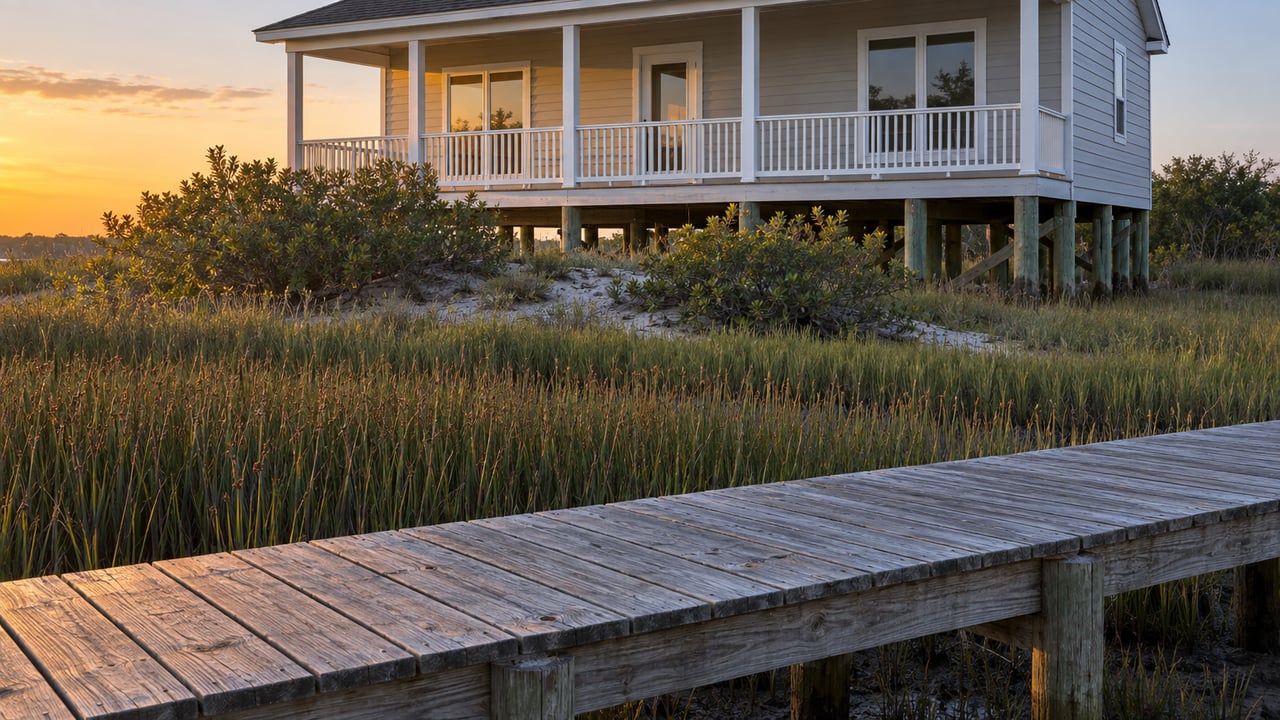
A signature feature of Duck’s soundside is its 11-acre Town Park and nearly 0.8-mile boardwalk that links the village to shops and dining. The boardwalk offers public access to sunsets, a kayak and canoe launch, and short-term boat slips on each end, which sets the tone for a relaxed, walkable soundside lifestyle (Town Park and boardwalk details).
Oceanside vs soundside: how daily life differs
Beach access and rules
In Duck, the town does not maintain public ocean beach access points, and there is no public parking at ocean accesses. Access is typically through private walkovers for residents, renters, and their guests. The town also restricts seasonal beach driving and prohibits landing personal watercraft on the ocean beach, so verifying your deeded or HOA access is essential if oceanside living is your goal (Duck ocean safety and access policies).
By contrast, the town’s soundside boardwalk and park are public, with a kayak and canoe launch plus transient slips that make everyday paddling and small-boat access simple. If easy public water access is a priority, living near the park and boardwalk is a clear advantage (Town Park amenities).
Views, sunrises, and sunsets
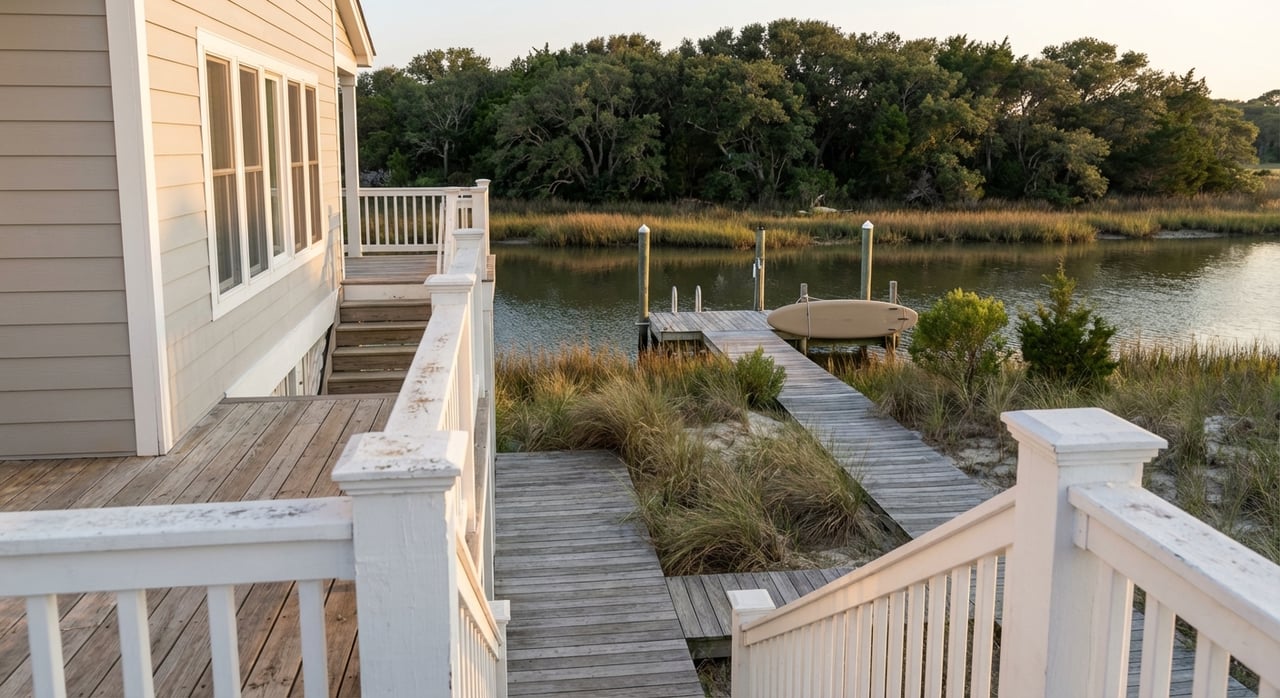
Oceanside homes face east and prioritize surf access, beach walks, and sunrise views over the Atlantic. Soundside homes face west across Currituck Sound and are known for calm-water vistas and reliable sunset viewing. The town highlights soundside sunsets and the boardwalk as core cultural assets, which is a big lifestyle draw for many buyers (Boardwalk and sunsets).
Water sports and recreation
Oceanside living puts you steps from surf, shore fishing, boogie boarding, and beach play. Duck’s ocean swimming is lifeguarded seasonally, and conditions can include rip currents and strong shore breaks, so always swim near lifeguards and follow posted flags and guidance from the town’s ocean rescue program (Ocean rescue and safety).
Soundside living centers on calmer, shallow water that is ideal for stand-up paddleboarding, family kayaking, canoeing, and crabbing. The boardwalk and park simplify non-motorized access, while larger motorboats usually operate from marinas or ramps outside the immediate village boardwalk area (Town Park and boardwalk access).
Noise, privacy, and crowding
On the oceanside, you are closer to beach activity, wind, and salt spray. Oceanfront or near-beach homes may see more foot traffic in peak weeks depending on location and access paths. On the soundside near the boardwalk and Waterfront Shops, evenings can feel livelier around restaurants and events, while residential streets set back from the village often feel quiet (Town Park and boardwalk overview).
Traffic, parking, and walkability
Duck has invested in a pedestrian-first layout in and around the village. The Duck Trail and sidewalks link shops, dining, and the boardwalk, so daily errands and evening strolls are often on foot or bike. That said, seasonal and holiday traffic can create congestion on NC-12 during peak weeks, which is common across the Outer Banks (Comprehensive pedestrian plan).
Home styles and communities
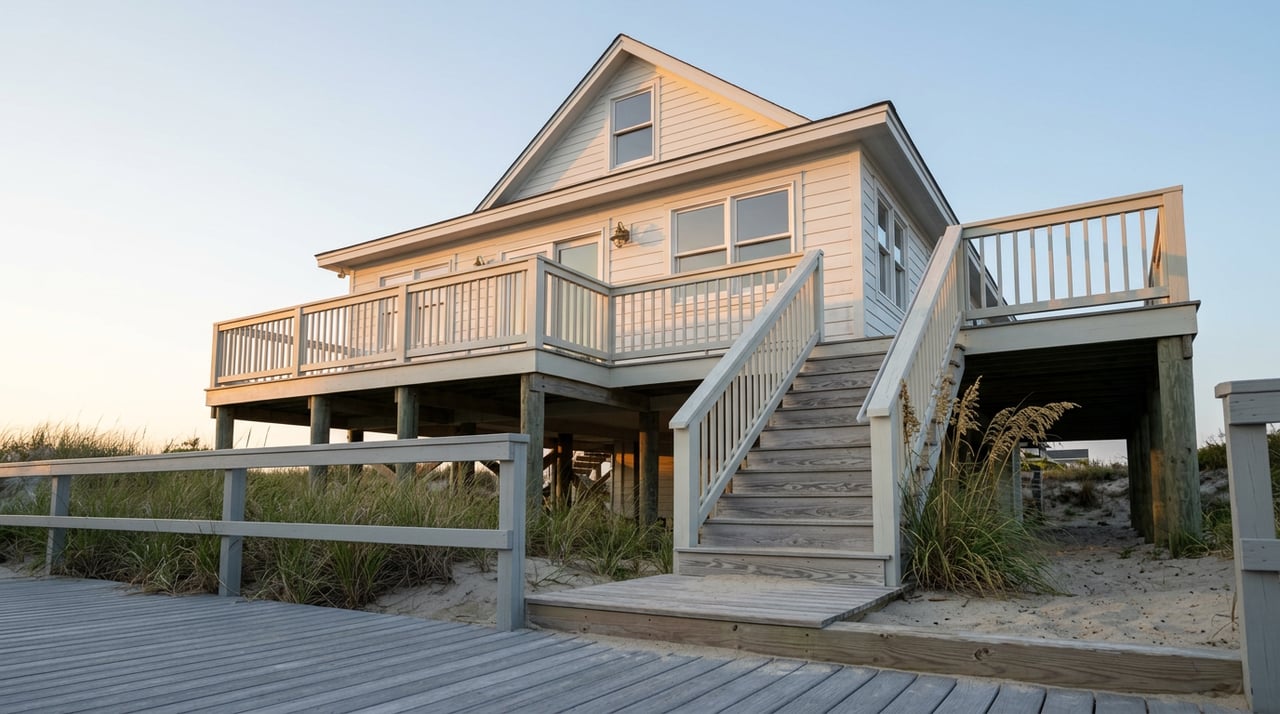
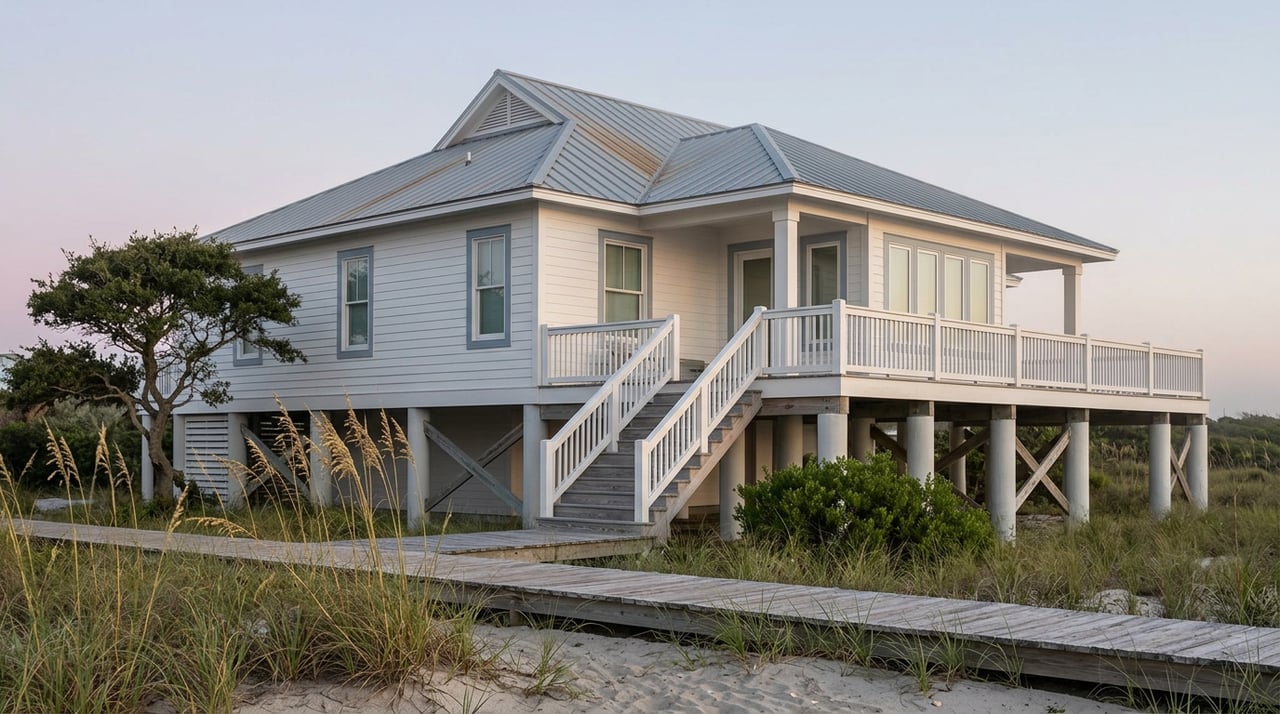
Duck offers a mix of classic raised beach cottages, larger shingle-style oceanfront estates, and planned neighborhoods with HOA amenities alongside individual-lot streets. Many ocean- or sound-exposed homes are elevated on pilings to meet flood and wind standards. Well-known areas include Sanderling, Palmer’s Island, Carolina Dunes, and Four Seasons. Your choice often comes down to proximity to the ocean or sound, HOA amenities, rental potential, and your appetite for maintenance.
Costs and market context
Duck’s small inventory and range of property types create wide price bands. Recent third-party snapshots show median sold prices around the mid-to-upper hundreds of thousands, with some sources reporting roughly $950,000 for recent periods, while listing medians can appear lower. These differences reflect mixed data sets and the blend of oceanfront estates, village condos, and 3rd-row homes. Treat any number you see online as a snapshot and verify with current MLS data before you decide (market overview examples).
At the top end, premium oceanfront estates and new custom builds can reach multi-million-dollar prices. Third-row and soundside single-family homes often span a wide range based on size and upgrades. Condos and small cottages can offer a lower entry point. If you are comparing oceanside and soundside budgets, start with your must-have features, then layer in flood zones, insurance, and expected maintenance to get a true apples-to-apples view.
Practical buyer checklist in Duck
- Access and parking: Confirm your deeded or HOA beach access, restrictions on beach parking, and any vehicle rules. Duck does not provide public beach parking or public ocean accesses within town limits (beach access policies).
- Flood maps and insurance: Check your property on FEMA’s Flood Insurance Rate Map and request elevation certificates. Lenders typically require flood insurance for properties in Special Flood Hazard Areas. Discuss NFIP and private options with your insurance advisor (Duck floodplain info; FDIC flood insurance overview).
- Utilities and septic: Most Duck homes use regional public water but rely on private on-site septic systems. Septic capacity affects permits for expansions, pools, and occupancy changes, so plan ahead with Dare County Environmental Health (water and septic guidance).
- Construction and maintenance: Oceanfront homes face higher salt, wind, and spray exposure, which means more frequent exterior work and corrosion-resistant materials. Use proven coastal construction practices and consult local contractors on schedules and costs (FEMA coastal construction guidance).
- Rental demand and seasonality: The Outer Banks draws millions of visitors across the region each year, and Duck sees strong summer demand plus shoulder-season events. If rental income is a priority, verify advertised projections with property managers and review booking histories where available (regional visitation context).
Who should choose oceanside vs soundside
Choose oceanside if you want
- Direct beach access and an early-morning surf or beach walk routine.
- Sunrise views, ocean breezes, and a traditional beach-house feel.
- Strong weekly rental appeal for larger, ocean-oriented homes with many bedrooms.
Keep in mind: ocean exposure typically means higher maintenance and potential for higher insurance costs. Factor flood zones and construction details into your budget.
Choose soundside if you value
- Calm water, sunsets, and easy access to the boardwalk, kayak launch, and transient slips.
- A walkable village setting close to dining, shops, and evening activity.
- Lower direct ocean exposure while staying within a short bike ride of the beach.
If you want a quieter setting, look for residential streets set back from the boardwalk. If you love being in the middle of things, being close to Town Park is a perk.
Choose village condos or inland streets if you need
- A lower price point and potentially lower maintenance.
- Proximity to village amenities without the top-tier oceanfront premium.
- A practical base for part-time living or a starter investment.
How we help you decide
Choosing between oceanside and soundside in Duck is about aligning your lifestyle and numbers. You deserve local, senior-level guidance on deeded access, flood maps, insurance, and true maintenance costs, plus clear rental and financing strategies if you plan to invest. Our boutique approach pairs hands-on advisory with in-market lending through The Evans Lending Team, so you can compare options, get pre-approved, and act quickly when the right home appears.
Ready to narrow your search to the side that fits you best? Reach out to Jessica Evans for a tailored game plan, current comps, and on-the-ground insight into specific streets and communities in Duck.
FAQs
Is the Duck ocean beach public for day use?
- The Town states it does not provide public ocean beach access locations or public parking at ocean accesses; access is typically private for residents, renters, and guests (Duck ocean access policies).
Do I need flood insurance for a Duck home purchase?
- If your lender finds the property in a FEMA Special Flood Hazard Area, flood insurance will be required, and it is often recommended even outside SFHAs; check maps and elevation certificates and review NFIP or private options with an insurer (Duck floodplain info; FDIC flood overview).
Which side is better for beginner paddlers and kids?
- Soundside typically offers calmer, shallower water and convenient public access via the town’s kayak and canoe launch along the boardwalk, which suits beginners and families (Town Park and boardwalk).
How does maintenance differ for oceanfront vs soundside homes?
- Oceanfront homes face stronger salt, wind, and spray, which often means more frequent exterior maintenance and corrosion-resistant materials; follow established coastal construction practices and schedule regular inspections (FEMA coastal construction guidance).
What is walkability like and how bad is summer traffic?
- The Duck Trail and village sidewalks make shopping and dining walkable or bikeable most days, but NC-12 can get congested during peak weeks, which is typical across the OBX (town pedestrian plan).
Where can I launch a kayak or dock a small boat in Duck?
- The public launch and short-term transient slips are located along Duck’s soundside boardwalk and Town Park, which are ideal for paddlers and small boats (Town Park and boardwalk amenities).