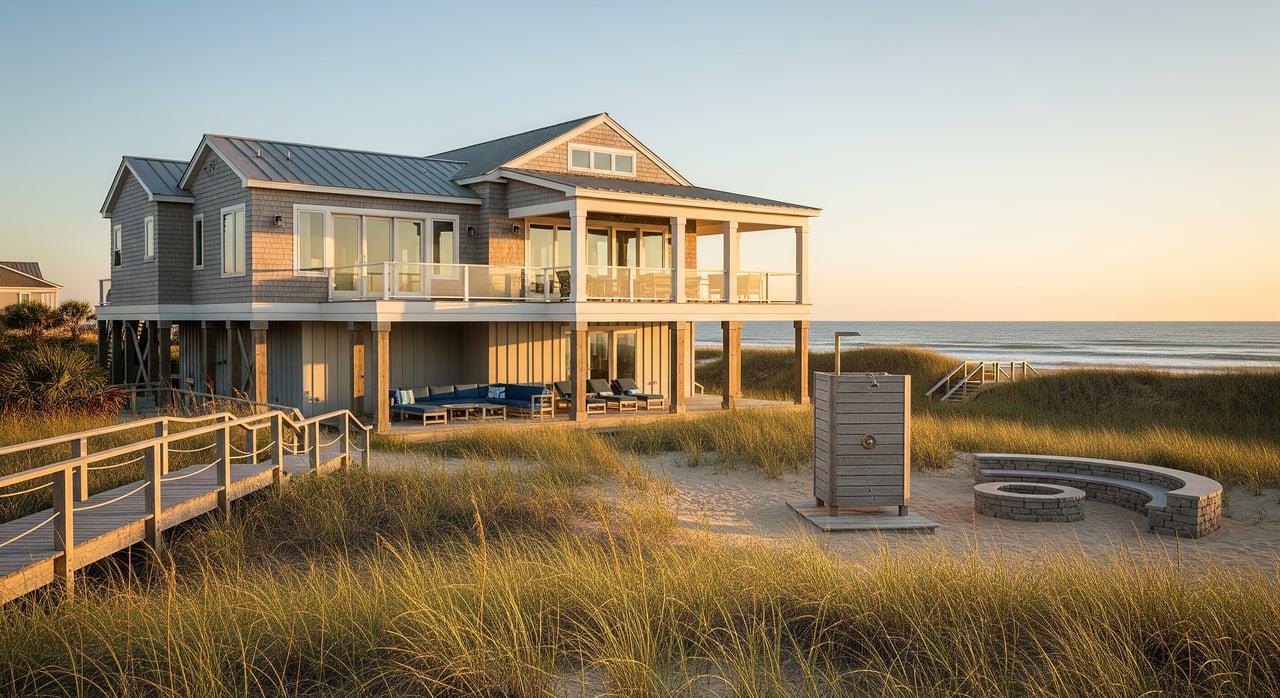
Picture this: sunrise over the Atlantic, a quick stroll to the beach, and fresh seafood for dinner. Owning in Hatteras can feel like that on many days. It also means learning the rhythm of a barrier island, planning for storms, and staying ahead of coastal maintenance. In this guide, you’ll get a clear view of daily life, the costs to expect, and the due diligence that helps you buy with confidence. Let’s dive in.
Hatteras at a glance
Hatteras is a maritime village on Hatteras Island, part of North Carolina’s Outer Banks. Much of the oceanfront is protected as the Cape Hatteras National Seashore, which shapes beach access, recreation, and local rules. You’ll find a tight-knit community with deep fishing and boating roots.
Life here follows the seasons. Summer brings full restaurants, active marinas, and busy beaches. Fall and winter are quieter, with a more local pace and shorter business hours. If you value space, salt air, and time on the water, that rhythm can be a big part of the appeal.
Beach access and rules
Most ocean shoreline near Hatteras is part of the seashore, and activities follow federal guidelines. If you enjoy beach driving, camping, or fishing, plan on permits and seasonal access rules in designated areas. You can review current information on the National Park Service page for the Cape Hatteras National Seashore.
Oceanfront property lines typically extend only to the mean high water line. The wet sand and tidal zone are public. That means you can expect public access nearby in many stretches and should be familiar with local rules before you buy.
Boating and fishing essentials
Hatteras is a hub for surf fishing, inshore sound trips, and offshore charters. Marinas and boat ramps support a steady flow of anglers and visitors. If you plan to keep a boat, confirm storage options, ramp access, and how you will secure it during storms. Many owners build their weekly routines around weather windows, tides, and tournament schedules.
Getting around and connectivity
NC-12 is the island’s main north-south route. It is scenic and straightforward most days, but it can be affected by overwash and erosion during storms. The NCDOT Ferry Division connects Hatteras to Ocracoke and other points, and schedules can be busy in peak season. For current routes and updates, check the Ferry Division schedules.
Expect longer drives for big-box shopping and advanced medical services compared to the mainland. Many owners plan monthly or seasonal supply runs to larger Outer Banks towns and use local clinics or telehealth for routine needs.
What homes look like here
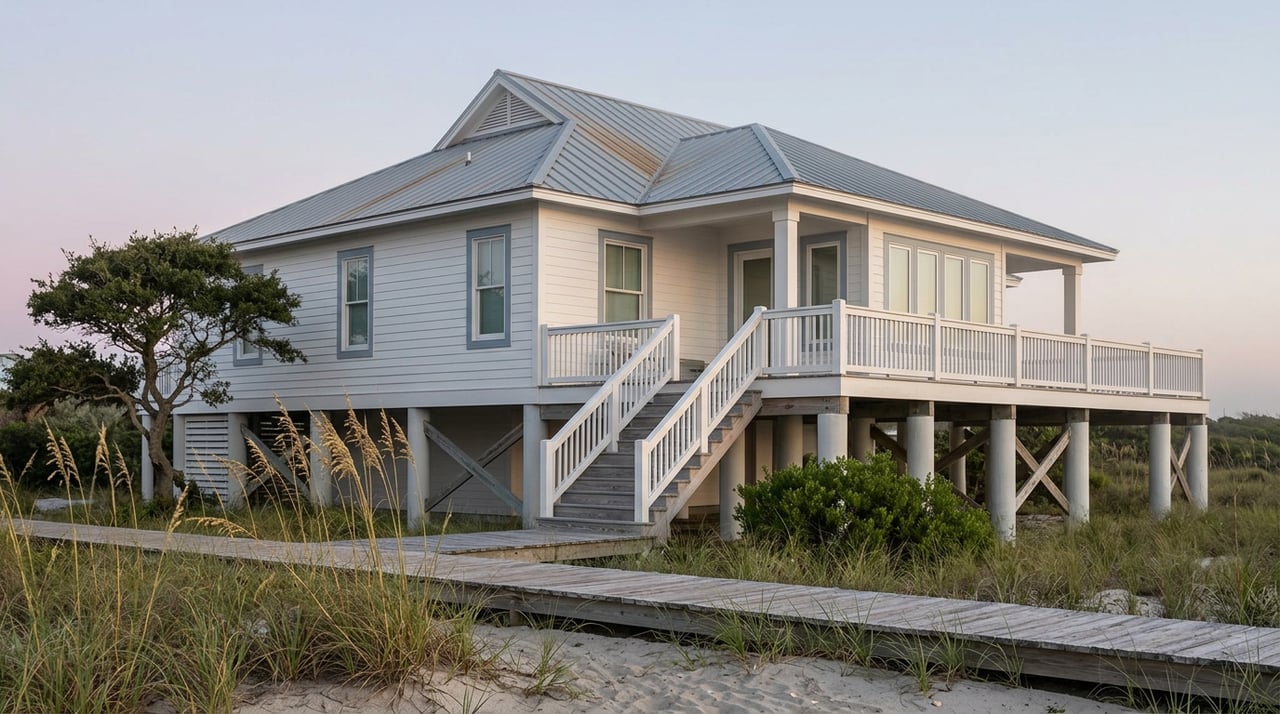
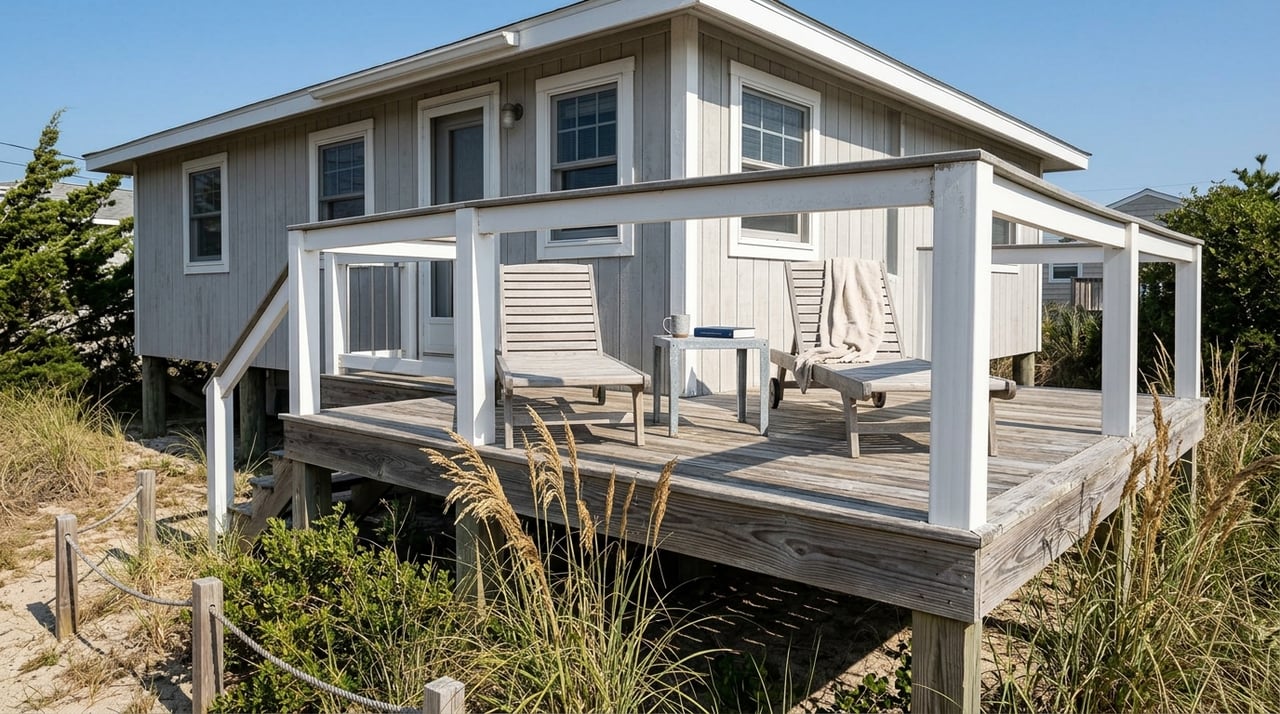
You’ll see elevated single-family homes on pilings, classic beach cottages, duplexes, and newer custom builds. Elevation and wind-rated construction are common due to coastal hazard zones. If you plan to renovate, you will need to follow county building codes, floodplain rules, and state coastal management requirements.
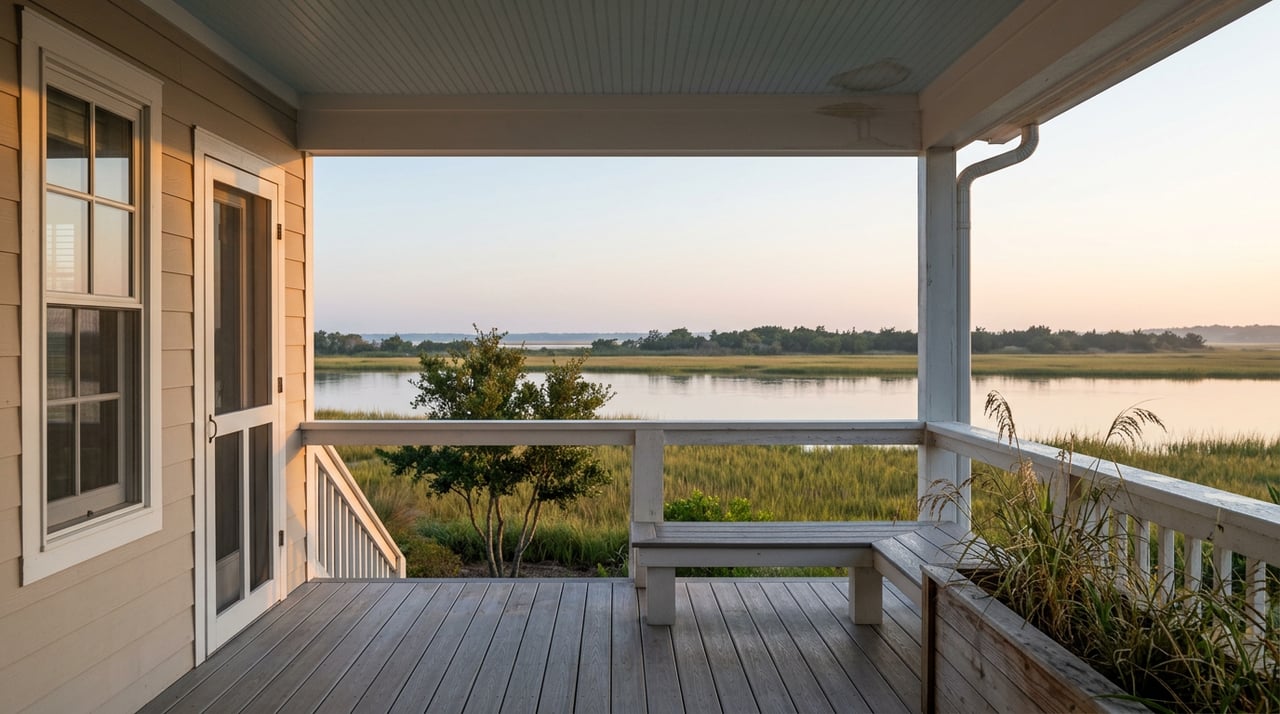
Inside, layouts often emphasize porches, decks, and lockable owner closets if the property operates as a vacation rental. On elevated homes, consider how you will handle groceries, luggage, and storm prep across multiple levels.
Utilities and internet
Many properties use septic systems. Confirm the location, age, permit status, and maintenance history before you buy. Water is typically municipal or community based, but always verify your specific address.
Internet and cell coverage can vary by street. Some owners use fixed wireless or satellite where hardwired options are limited. If remote work is part of your plan, test speeds and providers during due diligence.
Insurance, flood maps, and risk planning
Hatteras sits in a high coastal hazard area. Your insurance picture usually includes homeowners, wind or hurricane coverage, and flood insurance if required by your lender. Premiums vary by elevation, distance to water, construction type, and flood zone.
- Start with a parcel lookup at the FEMA Flood Map Service Center to review the current Flood Insurance Rate Map for your address. If an elevation certificate exists, request it from the seller. If not, plan to order one.
- VE and V zones carry additional wind and wave action considerations, which can affect design requirements and premiums.
- For storm readiness, follow guidance from the National Hurricane Center and set a plan for evacuation, shuttering, and securing vehicles and boats.
Getting quotes early is smart. Ask for replacement cost estimates that reflect coastal building standards and elevated foundations. Also confirm windstorm deductibles and coverage limits for short-term rental use if applicable.
Coastal maintenance you should expect
Salt air is tough on metal, paint, and mechanical systems. Plan for a proactive maintenance schedule.
- Exterior paint and stain cycles happen more often than inland.
- Decking, railings, and fasteners need regular inspection and replacement.
- HVAC and appliances may have shorter lifespans. Anti-corrosion treatments and regular service help.
- Elevated homes need wind-rated skirting or lattice, plus a plan to secure outdoor items before storms.
A preventive mindset helps control long-term costs and protects your rental calendar if you host guests.
Property taxes, rentals, and permits
Dare County administers property taxes, planning, and rental rules. For tax assessment details and links to rental permitting and occupancy tax collection, start at the Dare County Government site.
Short-term rentals are common in Hatteras. If you plan to rent, confirm registration steps, septic capacity limits, parking standards, and safety requirements. Clear house rules and seasonal maintenance planning can protect your income and guest experience.
Daily rhythm: peak season vs off-season
Summer moves fast. Beaches fill early, charters head out before sunrise, and restaurants run later hours. Traffic increases on NC-12, and ferry lines can be longer.
Off-season brings mild days, strong surf, and open stretches of beach. It is a great time for projects, fishing, and quiet walks. Expect shorter business hours and a more local social calendar centered around marinas, volunteer groups, and community events.
Buyer due diligence checklist
Use this list to streamline your evaluation and avoid surprises.
- Flood zone and elevation: Pull the parcel’s FIRM panel at the FEMA Flood Map Service Center and request any existing elevation certificate.
- Insurance quotes: Get written estimates for homeowners, wind or hurricane, and NFIP flood. Confirm deductibles, exclusions, and rental use.
- Septic and water: Verify septic permits, pump history, capacity, and replacement options. Confirm water source and provider.
- Utilities and internet: Document available internet speeds and providers, plus cell coverage at the property.
- Coastal rules and permits: Understand setback lines, dune protections, and renovation permitting.
- Access and travel time: Review typical drive times to shops and services. Check Ferry Division schedules if you will rely on ferry service.
- Rentals and taxes: Confirm registration steps and occupancy tax details on the Dare County Government site if you plan to host guests.
- Survey and title: Clarify mean high water boundaries on oceanfront lots, plus any easements and riparian rights.
- Maintenance planning: Price out local costs for HVAC service, roofing, painting, decking, and corrosion mitigation.
How investors and second-home owners succeed here
The strongest outcomes come from pairing a clear lifestyle plan with solid numbers. If you will rent seasonally, build a conservative pro forma that accounts for insurance, maintenance cycles, and management fees. Confirm septic capacity and parking before you assume max occupancy. If you will use the home year-round, weigh access to medical care and travel time to larger shopping centers as part of your decision.
For many buyers, the difference-maker is local support: trusted property managers, reliable contractors, and a lender who understands coastal underwriting. That is how you keep timelines tight and surprises low.
Financing and local guidance
Hatteras purchases can involve added documentation for flood and wind coverage, elevation certificates, and rental income if you are qualifying with projected revenue. An in-market lending partner can simplify the path with local appraisers and coastal policy familiarity. If you want a streamlined approach, you can coordinate pre-approval and financing through The Evans Lending Team as part of your purchase plan.
Final thoughts
Owning a home in Hatteras gives you front-row access to world-class beaches, boating, and a relaxed island pace. You trade some convenience for that experience, and you plan ahead for storms and maintenance. With clear due diligence and the right local team, you can enjoy the best of the Outer Banks and protect your long-term value.
Ready to explore Hatteras homes or map out a rental strategy? Connect with Jessica Evans to schedule a consultation.
FAQs
Is Hatteras practical for year-round living?
- Yes, many residents live here full time, but expect a quieter winter season and longer drives for some services compared to the mainland.
How do hurricanes affect property ownership in Hatteras?
- You plan for evacuation and storm prep, carry appropriate insurance, and maintain the home proactively to manage wind and surge risk.
Are Hatteras beaches private or public?
- Much of the shoreline is part of Cape Hatteras National Seashore and the wet-sand zone is public, while private lots usually extend to the mean high water line.
Can I operate a short-term rental in Hatteras?
- Yes, short-term rentals are common, but you must follow Dare County registration, occupancy tax collection, and property standards.
What should I know about flood zones and insurance?
- Your flood zone and elevation influence lender requirements and premiums, so review FEMA maps, obtain an elevation certificate, and get quotes early.
How is internet and cell coverage for remote work?
- Coverage varies by street, so confirm providers and speeds at the property and consider fixed wireless or satellite as backups where needed.
Will NC-12 or ferry schedules affect access?
- During peak season or storms, traffic and schedules can vary, so build extra travel time into plans and check conditions before you go.