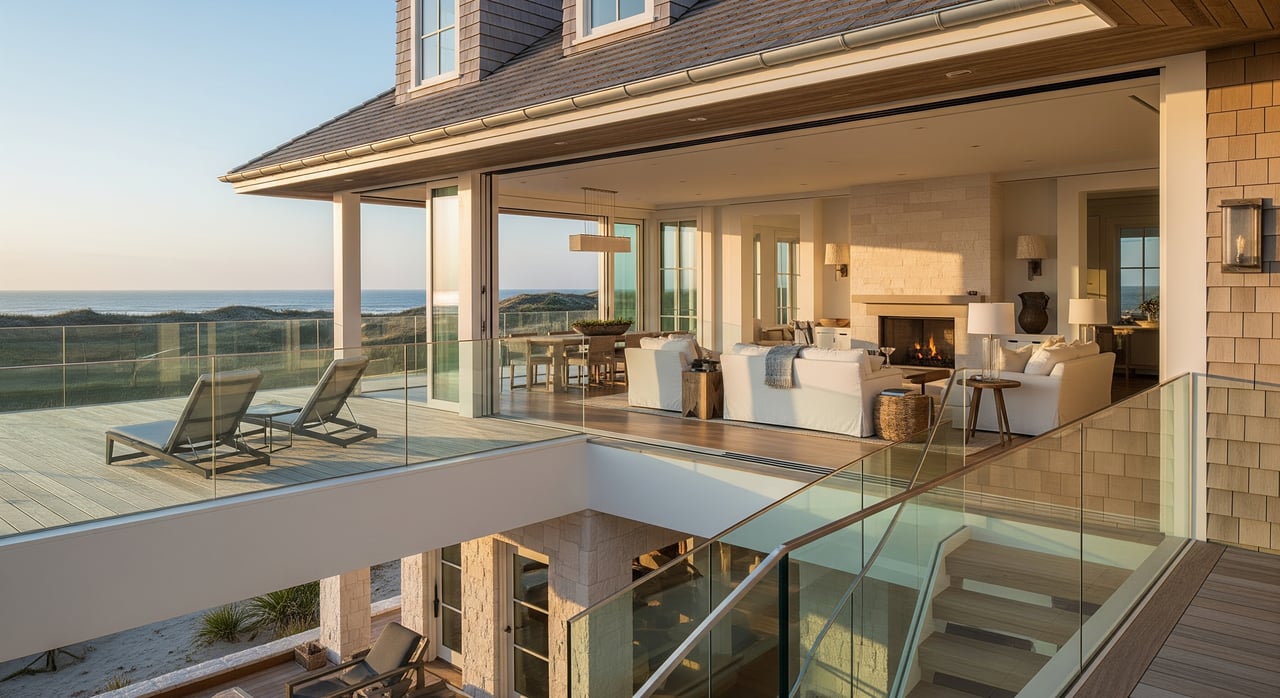
Want the best ocean views without leaving your living room? In Duck, many homes flip the script so your kitchen and great room sit on the top floor. If you are buying a second home or planning a vacation rental, this layout can be a smart move. In this guide, you will learn what a reverse floor plan is, why it is popular in Duck, the tradeoffs to consider, and the exact questions to ask on a showing. Let’s dive in.
What is a reverse floor plan?
A reverse floor plan, sometimes called an upside-down plan, places the main living and kitchen areas on the highest level and the bedrooms on a lower floor. Ground level is usually parking, storage, and mechanical systems.
Common OBX variants you will see in Duck:
- Classic reverse: Ground parking, middle bedrooms, top great room and kitchen with a large deck.
- Split reverse: Top great room plus a primary suite, middle level for guest bedrooms.
- Reverse with elevator: Same stacking with a residential elevator serving all living levels.
- Partial reverse: Main living on the middle floor with a rooftop deck above for the best view.
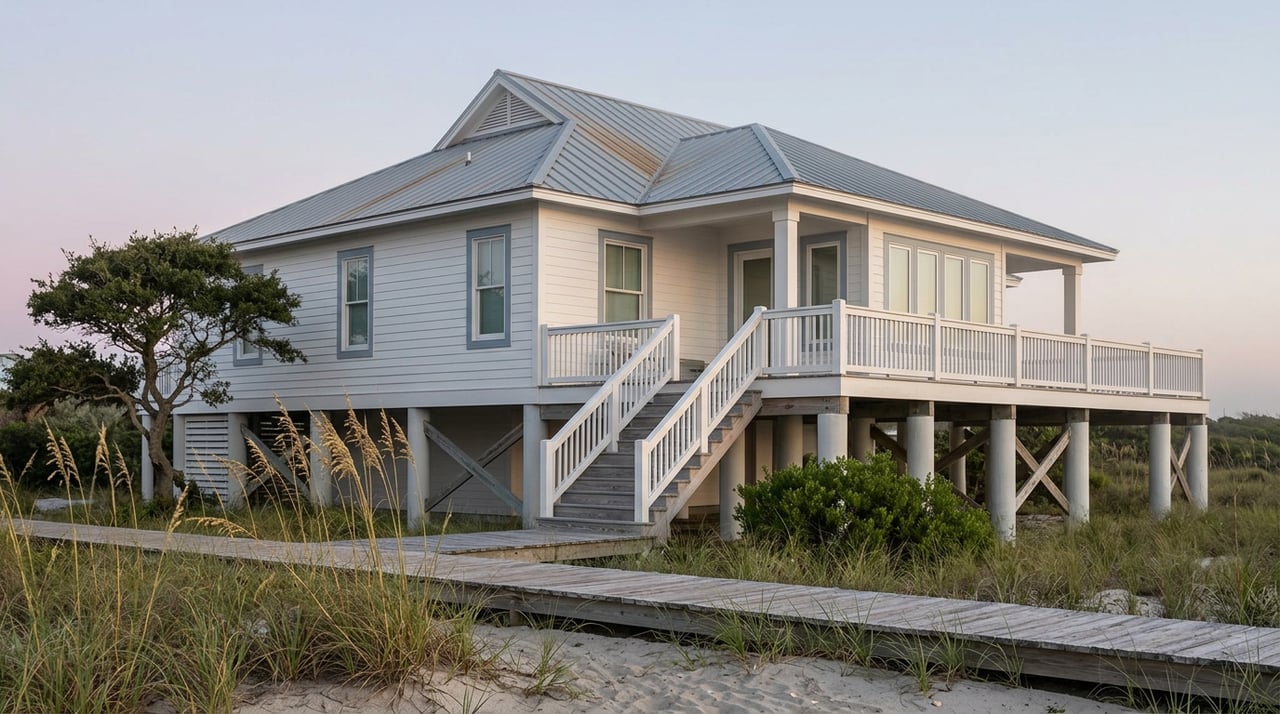
In Duck, most homes are elevated on pilings, which helps with flood resilience and supports stacked living levels.
Why Duck buyers choose reverse plans
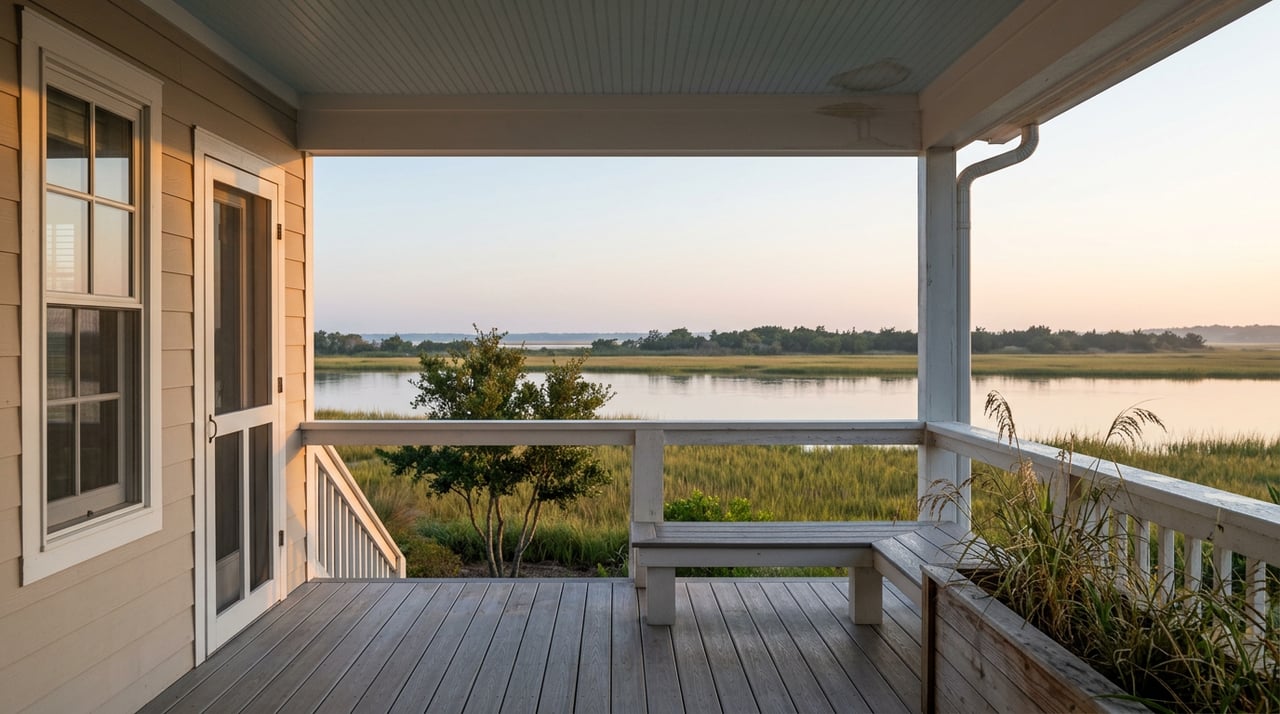
- View optimization: Duck is a narrow barrier environment. Putting the great room on top raises your sightline above dunes, parking, and nearby roofs, so you enjoy better ocean or sound views and more daylight.
- Flood resilience: Elevated living levels reduce direct flood exposure and can simplify permitting and insurance compared with ground-level living space.
- Rental demand: Vacation renters love shared spaces with views and outdoor decks. Upper-level great rooms are often marketed as premium features that support stronger nightly rates.
- Lot realities: Many Duck lots are narrow. Stacking up instead of spreading out helps maximize view corridors within zoning limits.
- Privacy and noise: Bedrooms on lower floors sit away from the main entertaining area and deck, which can be helpful for groups and short-term rentals.
Pros and cons at a glance
Views and daylight
- Pros: Superior views, longer sightlines, brighter living areas.
- Cons: Upper levels face more wind and sun, so you need thoughtful shading, glazing, and HVAC sizing.
Flood and storm performance
- Pros: Elevated living areas reduce direct flood exposure; ground-level storage is easier to clean up after storms.
- Cons: Upper decks and windows need impact-rated protection and proper engineering for wind.
Stairs, elevators, and access
- Pros: Stairs save space and allow open great rooms with continuous views.
- Cons: Multiple flights can be hard for older guests. An elevator improves accessibility and market reach but adds upfront cost and ongoing maintenance.
Guest flow and rental operations
- Pros: Top-floor living creates one large gathering area. Bedroom levels feel private and quiet.
- Cons: Managing luggage and groceries across floors takes planning. Cleaning crews move more equipment between levels unless there is an elevator.
Mechanical systems and utilities
- Pros: Ground-level HVAC equipment and planned duct runs can serve upper levels efficiently.
- Cons: Multi-level zoning is often needed for comfort and energy control. Upper kitchens add heat and moisture that require proper system sizing.
Construction and maintenance costs
- Pros: Strong view-forward layouts often translate to stronger rental revenue potential.
- Cons: Pilings, wind-rated glazing, engineered decks, and elevators raise build and maintenance costs.
What to look for on a showing
Site and regulation
- Ask for the property’s FEMA flood zone and Base Flood Elevation. Confirm how elevation requirements influenced the build.
- Confirm any Town of Duck or Dare County variances and whether HOA rules affect decks, rooftop structures, or rentals.
Structure and decks
- Verify the foundation type, typically pilings in Duck. Check flood openings and ground-level layout for safe equipment placement.
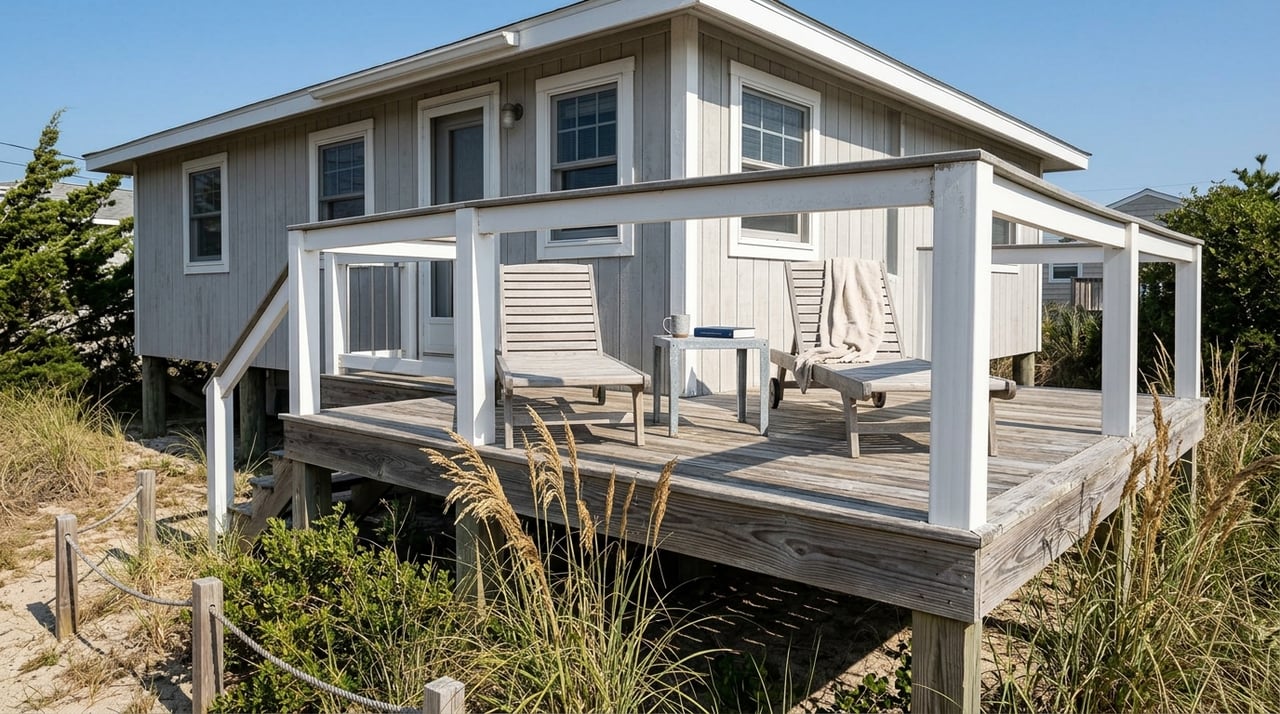
- Inspect deck engineering and railings for local live load and wind requirements. Look for proper flashing at ledger connections and signs of maintenance.
Stairs and elevators
- Count how many flights separate the entry, bedrooms, and top-floor great room. Confirm treads, landings, and handrails meet code.
- If an elevator exists, request inspection and maintenance records. If not, ask whether the home is prewired or can accommodate a future shaft.
Windows and storm hardening
- Confirm impact-rated glazing or approved storm protection on upper-level windows and doors. Check for storm panel attachments where applicable.
- Ask how rooftop or upper decks are tied into the structure and rated for uplift.
Systems and maintenance
- Locate HVAC air handlers, water heaters, and electrical panels. Confirm they sit above projected flood levels.
- Check laundry placement. Mid-level or bedroom-level laundry can help rental turnovers.
Rental and operations
- Review rental history and occupancy patterns. Ask about any guest complaints related to stairs or entry logistics.
- Identify guest entry points, luggage drop zones, and trash staging relative to living and bedroom floors.
Cost and insurance
- Request current flood insurance premiums and any recent claim history.
- For elevators, obtain installation quotes and annual service estimates from local providers. Confirm the model and features suit rental use.
Two quick scenarios
- Reverse plan with elevator: A Duck home with a top-floor great room and elevator drew multi-generational bookings and higher peak rates. The owner budgeted for yearly elevator servicing and timely deck upkeep, which preserved guest satisfaction and pricing power.
- Reverse plan without elevator: A similar home skipped the elevator and had lower upfront cost. It performed well with active groups but had a narrower renter pool and a few accessibility-related inquiries during booking season.
Practical steps to move forward
- Verify the property’s flood zone and secure an Elevation Certificate.
- Request building permits, impact-glazing documentation, and any elevator inspection reports.
- Get insurance estimates for flood coverage and confirm lender documentation requirements before you go under contract.
- Talk with a local coastal builder or engineer about deck loads and long-term glazing and railing maintenance.
- For investors, review actual rental history and speak with a local property manager about guest flow and cleaning logistics.
- If you want broader renter appeal, price an elevator addition or plan a bedroom suite on the middle level.
Simple floor plan sketches
Classic reverse (single stair)
- Level 3: [Great room + Kitchen] — [Ocean-facing deck]
- Level 2: [Primary bedroom + 2 guest bedrooms + Laundry]
- Level 1: [Parking + Storage + Mechanical]
Reverse with elevator
- Level 3: [Great room + Kitchen] — [Deck]
- Level 2: [Bedrooms + Laundry]
- Level 1: [Garage + Entry]
- Vertical: [Elevator L1 to L3]
Split reverse (for larger groups)
- Level 3: [Great room + Kitchen + Secondary primary]
- Level 2: [Primary suite + 2–3 bedrooms]
- Level 1: [Garage + Storage]
Partial reverse (rooftop focus)
- Level 3: [Great room + Small deck]
- Level 4: [Rooftop observation deck]
Wrap-up
Reverse floor plans fit Duck living for good reason. You gain better views, more natural light, and strong rental appeal, all while placing sleeping spaces in quieter zones below. The tradeoffs are real, from stairs to storm hardening to deck and elevator maintenance, but the right plan can deliver both lifestyle value and investment performance.
If you want help weighing layout options, insurance, rental potential, and financing paths, schedule a consultation with Jessica Evans. You will get principal-level guidance, investor-friendly advisory, and access to an integrated mortgage channel to streamline your purchase.
FAQs
What is a reverse floor plan in Duck?
- It places the great room and kitchen on the top living level, with bedrooms on a lower floor and parking or storage on the ground level.
Why are reverse plans popular on the Outer Banks?
- They optimize ocean and sound views, elevate living areas for flood resilience, and create deck-centered spaces that renters value.
Do I need an elevator for a reverse plan rental?
- Not always, but an elevator can widen your renter pool and improve accessibility, with added cost and maintenance to consider.
What should I check about decks and windows?
- Confirm engineered decks and railings for local wind loads and impact-rated glazing or approved storm protection on upper levels.
How do stairs impact resale and rentals?
- Multiple flights can deter some buyers and guests. If there is no elevator, expect a narrower audience and plan pricing accordingly.
Are rooftop decks common with reverse plans in Duck?
- Some homes add rooftop observation decks. They may require additional permitting and structural engineering, so verify before you buy.