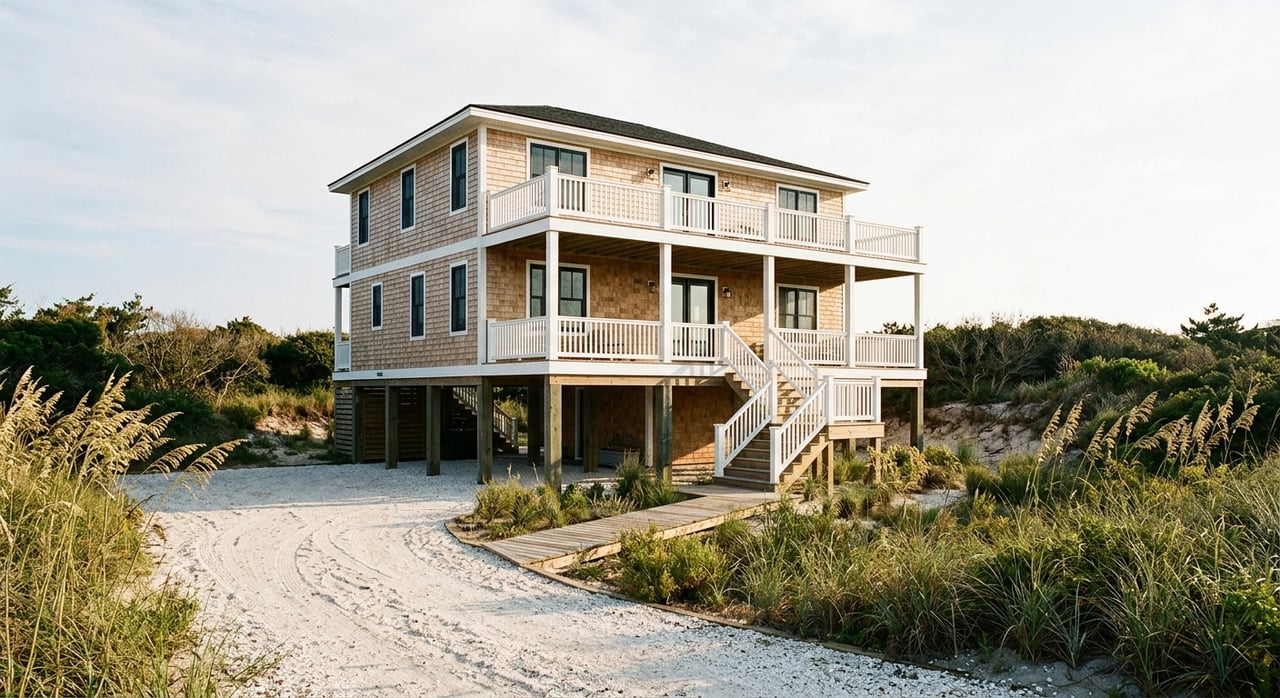
Trying to choose between Beach Road, the Bypass, and the westside in Nags Head? You are not alone. Many buyers love Nags Head as a whole, but once you start looking at homes, you realize each area lives very differently day to day. The good news is that the right fit usually becomes clearer when you match your goals to the setting, property type, and access you want. Let’s dive in.
Why location feels so different
Nags Head planning documents treat Beach Road, the Bypass, and westside neighborhoods as distinct areas with different traffic patterns, development styles, and daily rhythms. In simple terms, US 158 and US 64 function as the faster, convenience-focused corridor, while NC 12 and South Virginia Dare Trail offer a slower, more pedestrian-scaled beach road setting.
The area west of US 158 is different again. The town describes it as a neighborhood area made up mostly of low-density single-family subdivisions with limited commercial influence. That means your decision is often less about the town as a whole and more about how you want to live once you are here.
Another important point is that Nags Head allows residential short-term rentals in every zoning district. For many buyers, the bigger question is not whether a home can be rented, but whether the location, home style, and overall setting fit your intended use.
Beach Road at a glance
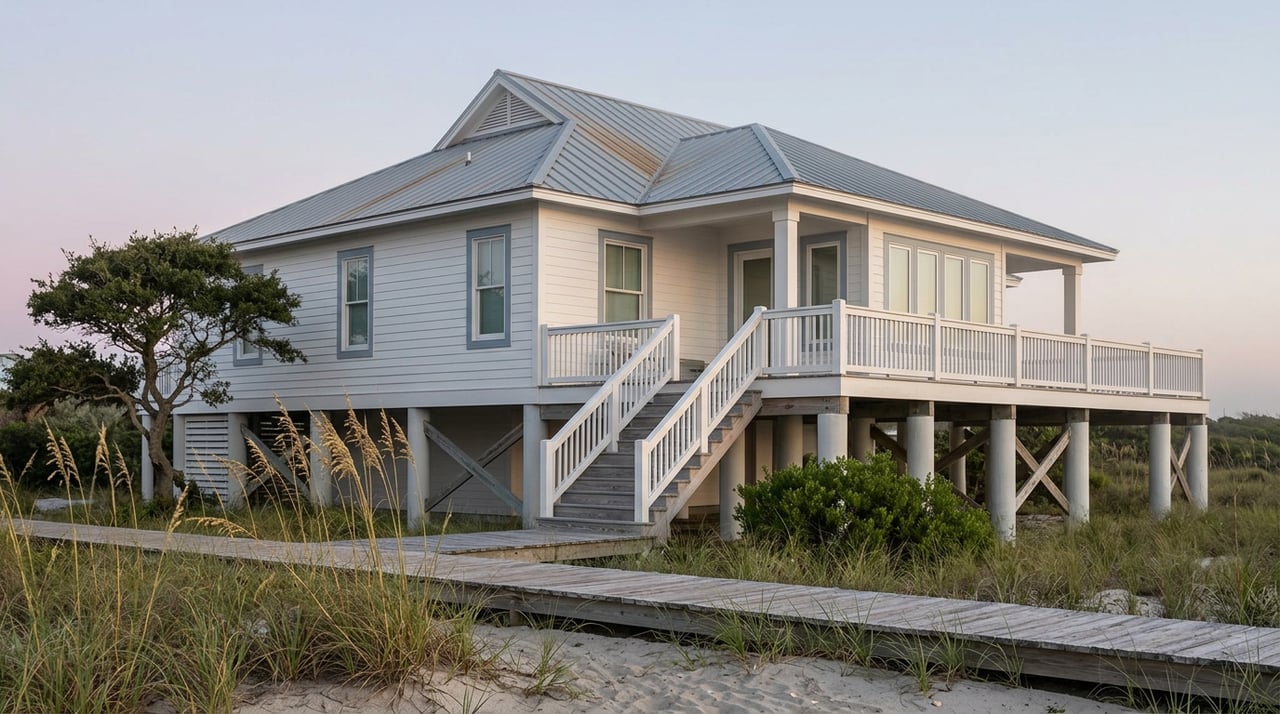
Beach Road is the part of Nags Head that often feels most like the classic Outer Banks people picture in their heads. It is beach-adjacent, more walkable in feel, and lined in places with smaller businesses, cottages, restaurants, piers, galleries, and older lodging properties.
North of Whalebone Junction, the corridor has a more active mixed-use character. The town describes this stretch as a place where smaller-scale businesses and residential uses sit side by side, with areas around Bonnett Street and Dowdy Park designed for neighborhood-scale commercial activity, pedestrian links, and a mix of homes, shops, and eateries.
South of Whalebone Junction, Beach Road shifts and becomes primarily residential. That change matters because two homes with the same Nags Head address can offer very different day-to-day experiences depending on where they sit along the corridor.
Who Beach Road fits best
If you want the most immediate beach-focused lifestyle, Beach Road usually rises to the top. The town notes that land use along NC 12 and the oceanfront is dominated by single-family dwellings of different sizes, many used as second homes or vacation rentals.
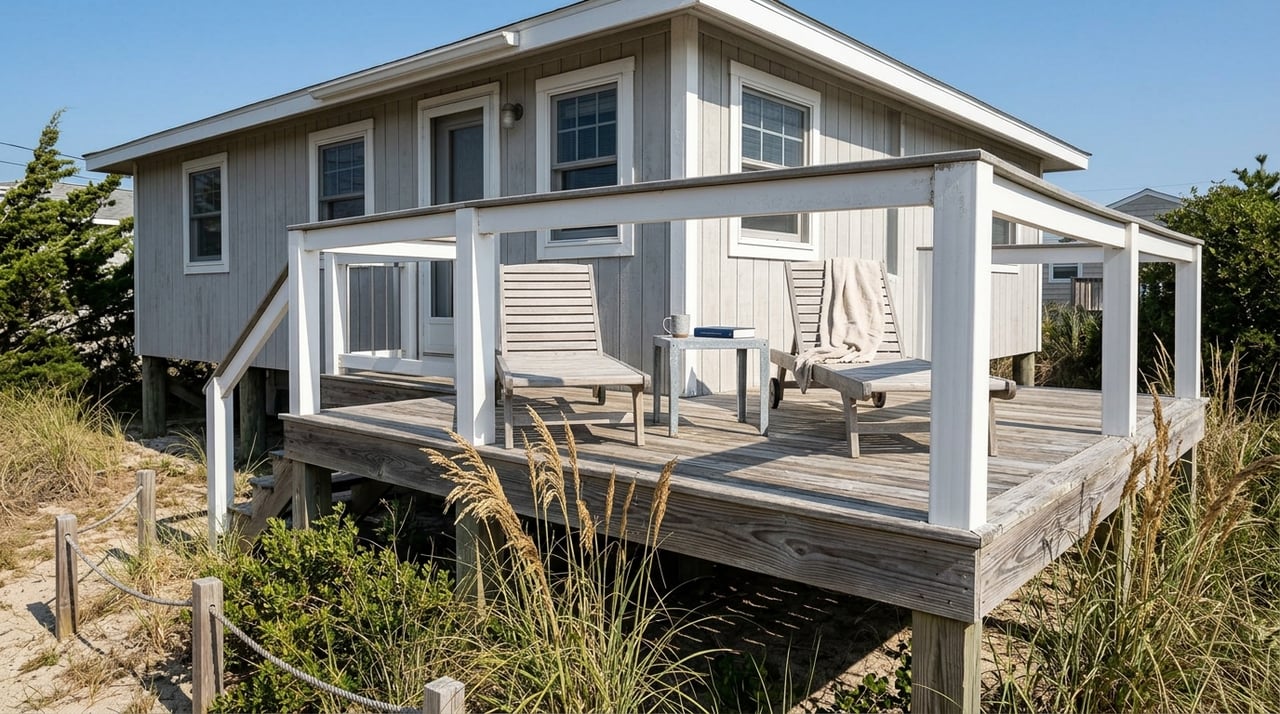
This area also includes some of the town’s oldest development patterns. In the Soundside Road and Historic Cottage Row area, Nags Head preserves the smaller-scale historic cottage character through zoning overlay standards, which helps explain why some parts of Beach Road feel more informal and established than newer sections of town.
For buyers, that often means Beach Road appeals most if you want:
- A classic OBX beach-town atmosphere
- Close access to the ocean and beach entries
- Cottage-style homes and older development patterns
- A stronger second-home or vacation-rental feel
Nags Head also maintains 40 free public beach access areas along more than 11 miles of shoreline. That wide spread of access points reinforces why Beach Road feels so tied to daily beach use.
What to know about Beach Road trade-offs
Beach Road has charm, but charm usually comes with trade-offs. Homes can be older, lot layouts may be less uniform, and the feel can vary a lot block by block.
The town also notes that commercial activity has gradually shifted away from NC 12 toward US 158. As a result, some Beach Road businesses have transitioned to single-family dwellings used as vacation rentals, making parts of the corridor feel more residential than buyers may expect at first glance.
If you are comparing investment options, this area often makes sense when your priority is an ocean-centric experience. If your focus is quick errands, larger retail access, or a more car-efficient daily routine, another part of Nags Head may fit better.
Bypass living in Nags Head
The Bypass is Nags Head’s main convenience corridor. The town describes US 158 and US 64 as higher-speed, car-scaled roads with larger parking areas, more traffic, and a mix of residential neighborhoods, shopping centers, service businesses, and larger retail uses.
For many buyers, this is the most practical part of town. A large share of daily needs for residents and visitors is met along this corridor, which is why buyers who value efficiency often start here.
The Village Municipal Service area is a major example. It includes the Outer Banks Mall, the Outer Banks Hospital, banks, medical and professional offices, retail, municipal facilities, and the town fire station.
Who the Bypass fits best
If you want to make day-to-day life easy, the Bypass usually offers the best access to services. You are closer to shopping, medical care, and practical stops that matter whether you live here full time, visit often, or manage an investment property from out of town.
Housing is also more mixed here than on Beach Road. Around the Village at Nags Head, the town’s plan includes detached and attached single-family homes, townhouses, multifamily uses, hotel, commercial, and institutional districts.
The Bypass may be the right fit if you want:
- Easy access to shopping and services
- A more car-oriented location
- Mixed housing types in some areas
- Faster regional connections through town
This corridor tends to work well for buyers who value convenience first and do not mind giving up some of the slower beach-road atmosphere.
What to know about Bypass trade-offs
The same features that make the Bypass practical also shape its feel. It is faster, larger in scale, and more vehicle-oriented than Beach Road.
If your dream is to step into a quieter, cottage-lined setting with a more traditional beach-town rhythm, the Bypass may feel too functional. On the other hand, if you want to be close to errands, healthcare, and retail, that functional layout may be exactly what makes it attractive.
Westside neighborhoods at a glance
Westside neighborhoods are the clearest residential areas in Nags Head. According to the town’s comprehensive plan, these areas west of US 158 are mostly low-density single-family subdivisions with limited commercial influence and a large share of the town’s year-round population.
Examples named by the town include Nags Head Pond, Nags Head Acres, Vista Colony, Hills of Nags Head and Villa Dunes, North Ridge, Old Nags Head Place, Southridge, Old Nags Head Cove, and Roanoke Shores. Lot sizes commonly range from about 6,000 square feet to more than 25,000 square feet, with many newer subdivisions at 15,000 square feet or larger.
This part of town often feels more residential and more private. If you are looking for a quieter home base, the westside deserves a close look.
Who the westside fits best
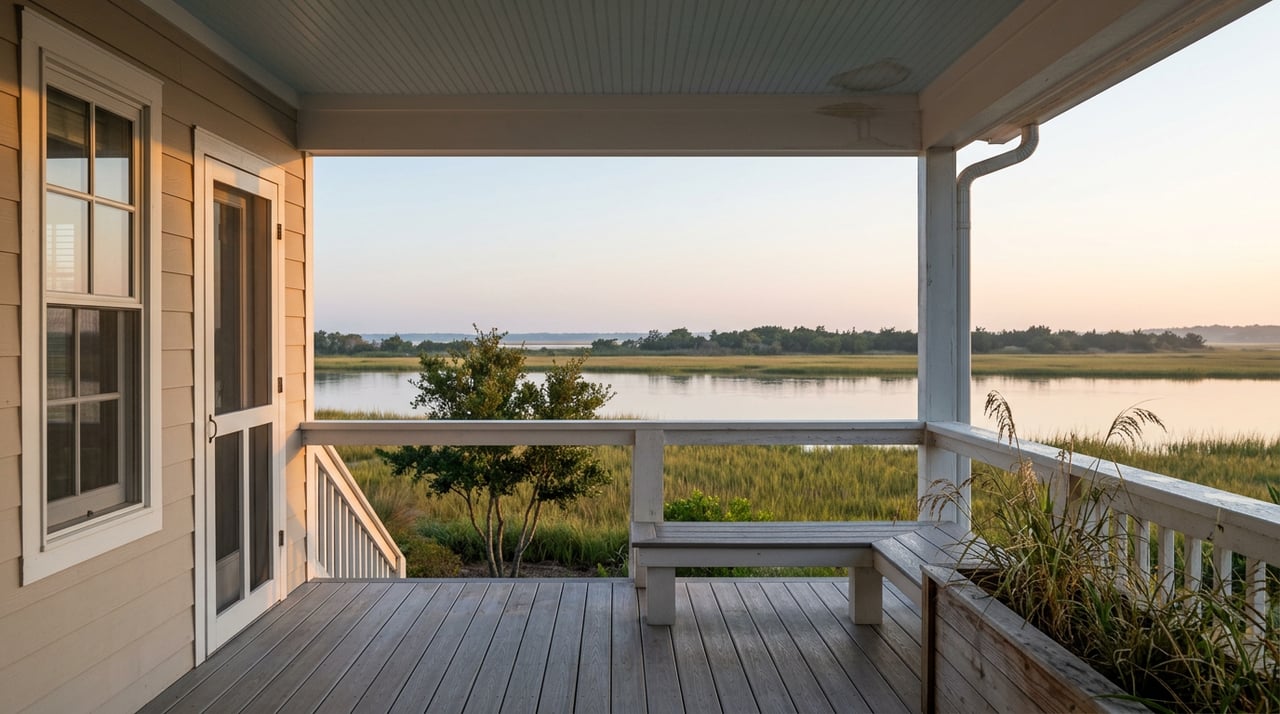
Westside living is often the best match if you want more neighborhood character and stronger soundside connections. The town’s Soundside Activity Node near Soundside Road and Harvey Soundside Park includes views of Roanoke Sound and marsh areas, with a relatively low-density setting and a mix of recreation, dining, and shopping nearby.
Public sound access points also add to the appeal. The town identifies Harvey Sound Access, Jockey’s Ridge State Park off Soundside Road, Little Bridge, the Nags Head Estuarine Site, and West Danube Street in Old Nags Head Cove as public sound access locations.
The westside may fit you best if you want:
- A quieter residential base
- More year-round neighborhood feel
- Lower-density single-family subdivisions
- Better access to soundside recreation and views
The Bonnett Street crossing and multi-use path also help connect westside neighborhoods to Dowdy Park, Nags Head Woods, and the Bonnett Street regional beach access. That adds flexibility if you want a residential setting without feeling cut off from the rest of town.
What to know about westside trade-offs
The westside is usually less ocean-centric in its daily feel. You can still reach the beach, but you may not have the same immediate beach-road atmosphere or the same concentration of ocean-adjacent homes you find along Beach Road.
For some buyers, that is a plus. For others, especially those focused on a strong vacation-rental identity or a classic oceanfront-adjacent experience, it may feel a step removed from the setting they want.
Flood risk matters everywhere
No matter which part of Nags Head you prefer, flood exposure needs to be part of the conversation. Nags Head is a barrier island bordered by the Atlantic Ocean and Roanoke Sound, and the town participates in FEMA’s National Flood Insurance Program.
The town states that its current effective flood maps date to June 19, 2020. It also applies a local elevation standard of 12 feet east of NC 12 and South Virginia Dare Trail, and 9 feet west of those roads.
That does not automatically make one area right or wrong. It means you should evaluate each specific property carefully based on location, elevation, intended use, and overall risk profile.
How to choose the right area
If you are stuck between these three areas, start with the life you want to have when you arrive in Nags Head. Think about how often you plan to use the home, whether convenience or atmosphere matters more, and what type of setting feels most natural to you.
A simple way to frame it is this:
- Choose Beach Road if you want the strongest beach-town feel, quick beach access, and a cottage or second-home style setting.
- Choose the Bypass if you want the easiest access to shopping, healthcare, services, and daily convenience.
- Choose the westside if you want a quieter residential environment, more neighborhood privacy, and stronger soundside access.
For many buyers, there is no universal best area. There is only the area that best matches your goals, whether that is a personal retreat, a full-time move, or a property that supports your vacation-rental plans.
If you want help narrowing the options, working with someone who understands the differences between these corridors can save you time and help you focus on homes that truly fit your priorities. When you are ready to talk through Nags Head neighborhoods, investment goals, relocation plans, or financing options, connect with Jessica Evans.
FAQs
What is the difference between Beach Road and the Bypass in Nags Head?
- Beach Road is generally slower, more beach-adjacent, and more pedestrian-scaled, while the Bypass is faster, more car-oriented, and more focused on shopping, services, and daily convenience.
What type of buyer usually prefers westside neighborhoods in Nags Head?
- Westside neighborhoods often appeal to buyers who want a quieter residential setting, more year-round character, larger low-density subdivision patterns, and stronger access to soundside recreation.
Can you use a home as a short-term rental in Nags Head?
- The town allows residential short-term rentals in every zoning district, so buyers usually need to focus more on the property’s location, style, and intended use than on zoning alone.
Does Beach Road feel the same throughout Nags Head?
- No. North of Whalebone Junction, Beach Road has a more mixed-use beach-town character, while south of Whalebone Junction it becomes primarily residential.
Why do some buyers choose the Bypass in Nags Head?
- Many buyers choose the Bypass for easier access to retail, medical services, professional offices, and other practical daily needs located along the US 158 corridor.
What flood-related factors should buyers consider in Nags Head?
- Buyers should review each property’s flood exposure, current flood-map context, elevation, and location, since Nags Head is a barrier island and local elevation standards differ east and west of NC 12 and South Virginia Dare Trail.