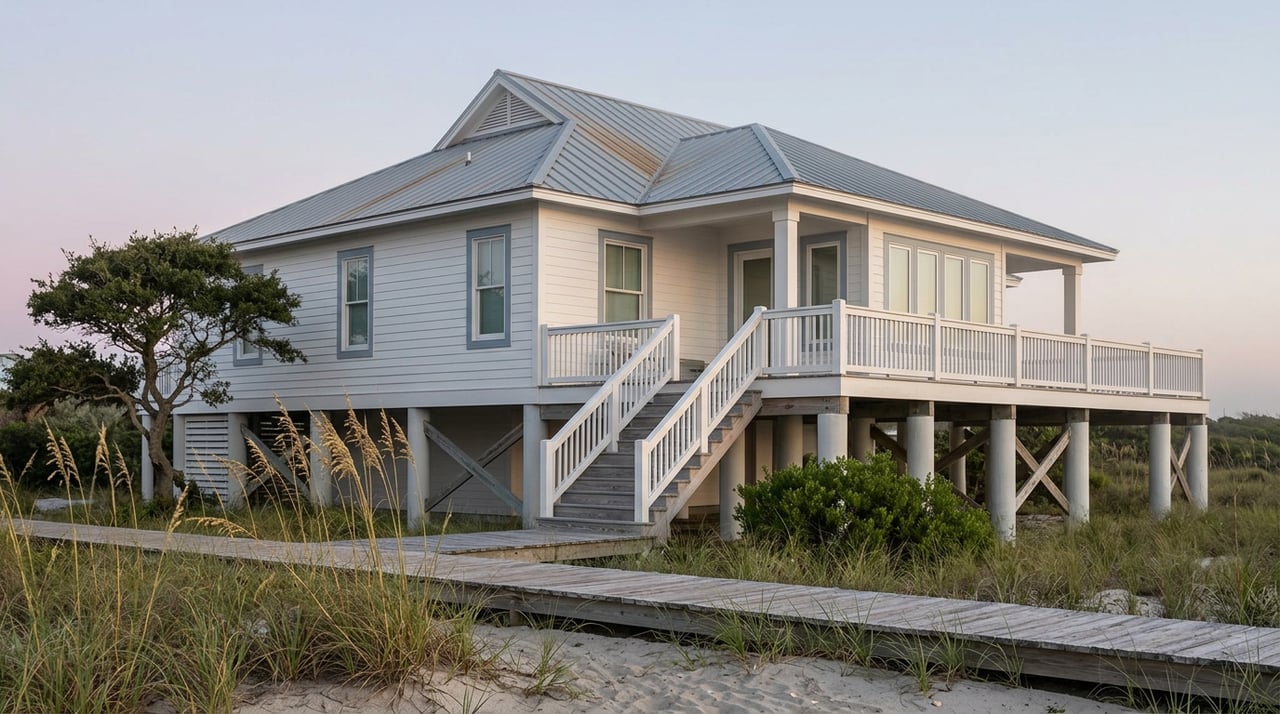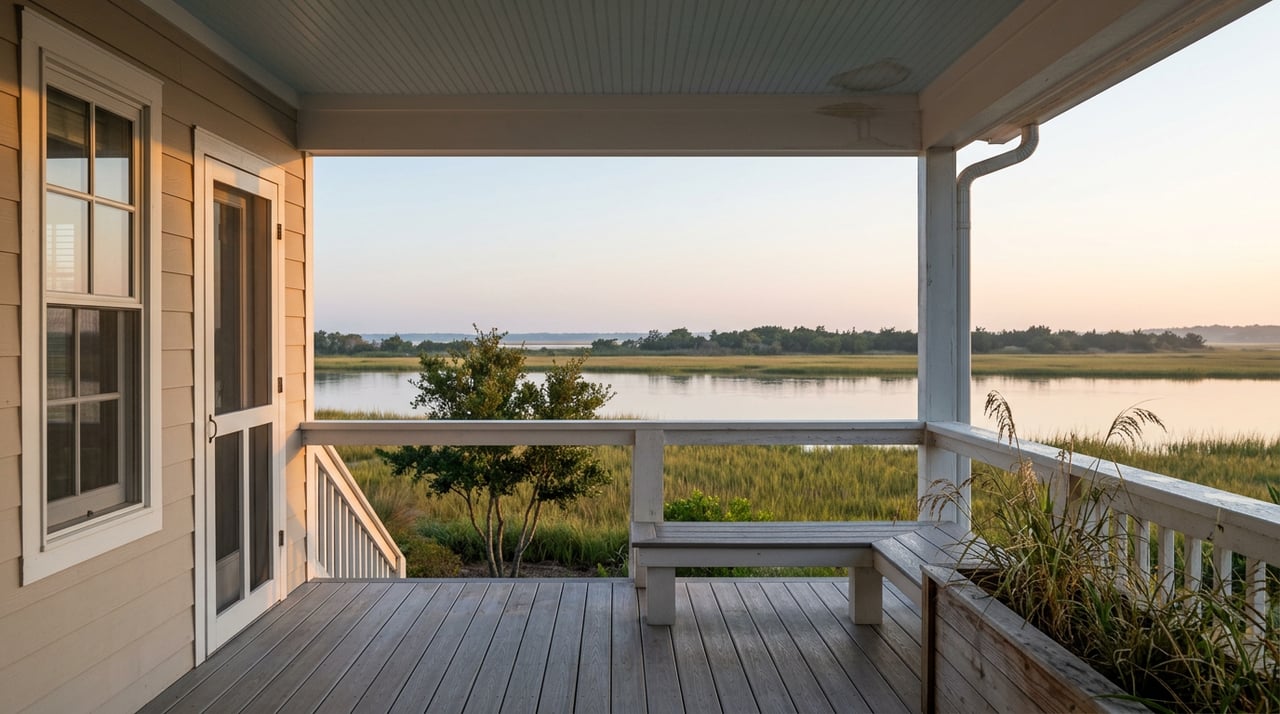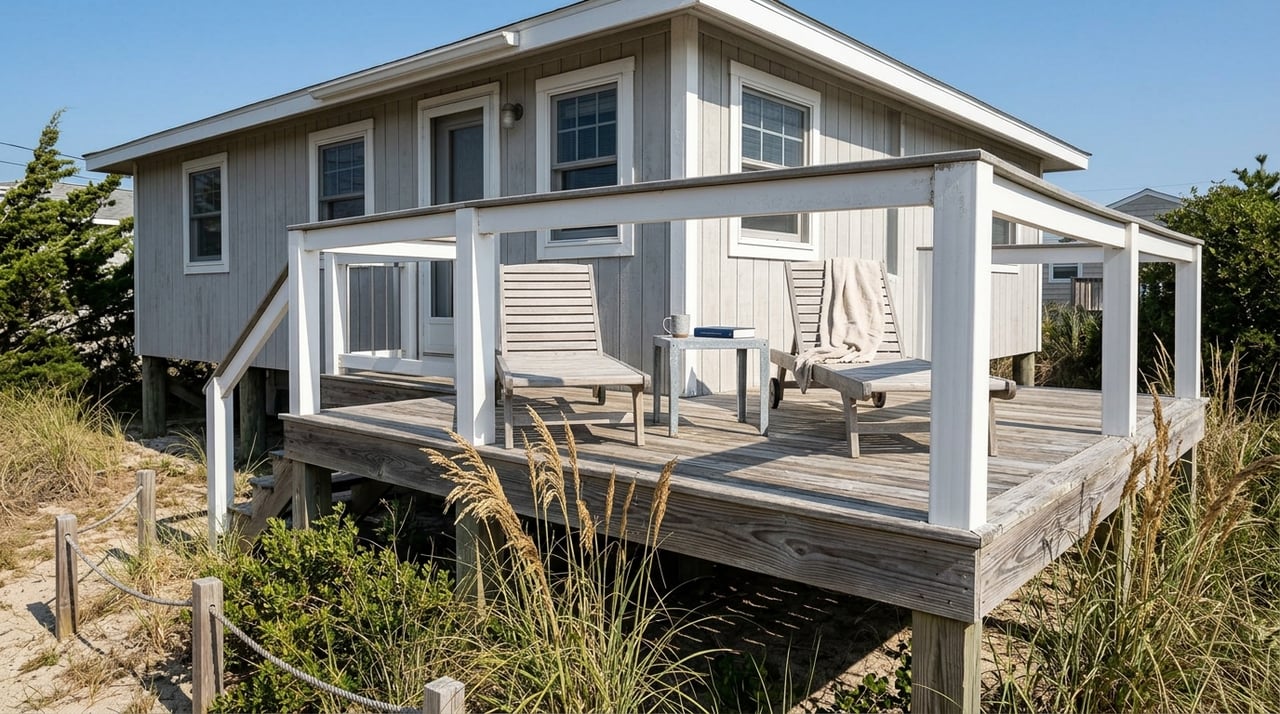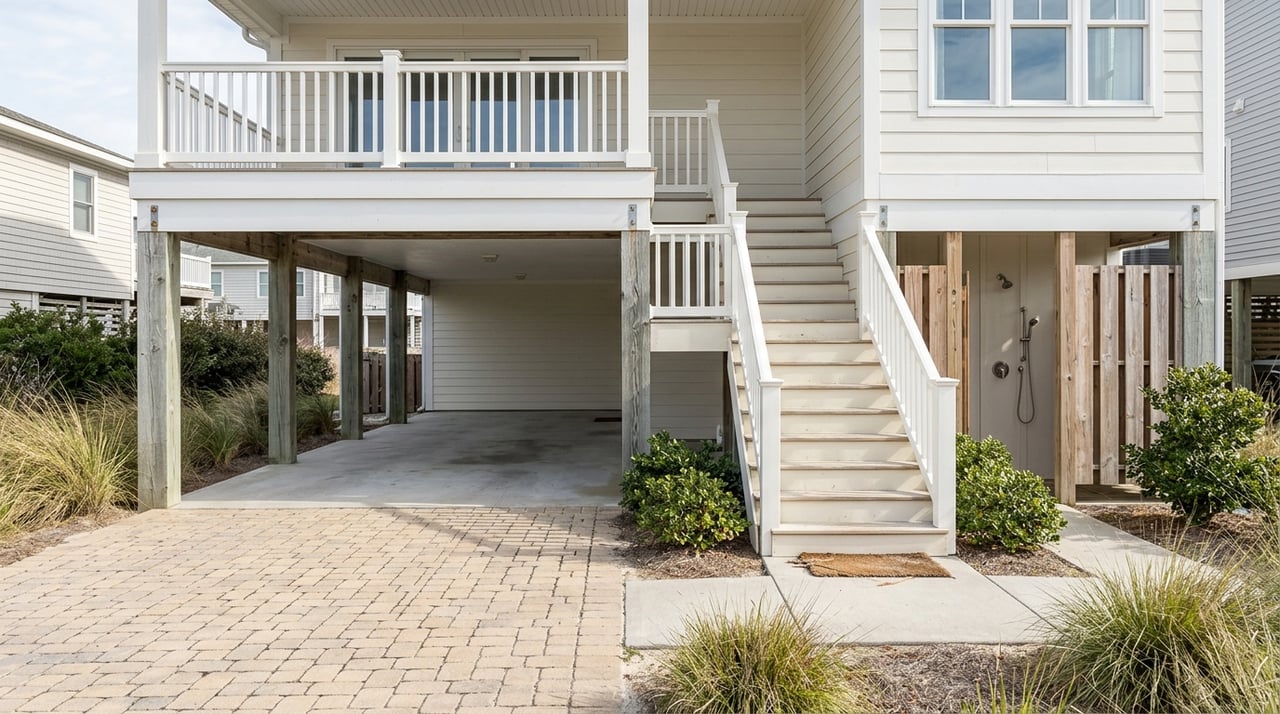
Thinking about trading traffic, long winters, or a fast pace for salt air and a slower rhythm? If you are considering a full-time move to Kitty Hawk, you are probably wondering what daily life really feels like once the summer visitors thin out. This guide will help you understand how year-round living works in Kitty Hawk, from neighborhood feel and flood planning to schools, healthcare, and everyday logistics. Let’s dive in.
Year-Round Life in Kitty Hawk
Kitty Hawk is not just a summer destination. It is a small barrier-island town with about 3.5 miles of oceanfront, roughly 4 miles of sound-side shoreline, and an estimated 3,689 permanent residents.
That said, the town changes with the seasons. On a typical peak-season day, the population rises to about 12,200, with the busiest stretch usually running from June through August. If you move here full-time, you should expect a quieter off-season and a much busier summer rhythm.
The beach remains a big part of daily life all year. Kitty Hawk provides public beach access, and seasonal ocean rescue operates from Memorial Day through Labor Day. That means your day-to-day lifestyle can stay connected to the coast, even though some services and activity levels naturally scale up and down with the calendar.
Kitty Hawk Areas Feel Different
One of the most important things to know before relocating is that a Kitty Hawk address can mean very different things depending on where you live. The town’s land-use plan separates the community into two broad living patterns.
Kitty Hawk Beach Living
Kitty Hawk Beach is mostly seasonally occupied. This area includes detached homes and some attached homes, and it can feel more tied to the vacation cycle and summer activity.
If you are drawn to being close to the ocean, this setting may appeal to you. At the same time, it is wise to look closely at nearby occupancy patterns, traffic, parking, and whether the street sees more short-term turnover.
Kitty Hawk Village Living
Kitty Hawk Village is mostly year-round and is made up mainly of single-family homes with fewer attached homes. For many full-time residents, this part of town may feel more consistent from season to season.
That does not mean one area is better than another. It means your experience can vary a lot by block, so neighborhood fit matters when you are choosing where to rent or buy.
Housing Options and Future Supply
Kitty Hawk offers a mix of housing types, including single-family detached homes, duplexes, apartments, condominiums, and town houses. Residential uses make up 73.83% of the town’s land inventory, while most commercial activity is concentrated along US 158.
For buyers, it is also helpful to understand that future housing supply is not unlimited. The town notes about 300 undeveloped residential parcels and around 25 acres that could potentially be redeveloped, which points to more limited growth rather than broad suburban expansion.
That limited supply can matter if you are planning a long-term move. It may shape both your timing and the type of property you decide to pursue.
Flood Risk Should Be Part of Your Plan
If you are relocating to Kitty Hawk, flood risk needs to be part of your decision early, not after you find a home you love. Kitty Hawk is a barrier island with relatively flat topography, and elevations range from about 4 to 38 feet above mean sea level.
The town states that most of Kitty Hawk lies within a Special Flood Hazard Area. It also identifies hurricanes, nor’easters, flooding, and coastal erosion as major hazards. For full-time residents, this is one of the most important parts of planning and due diligence.
What to Check Before You Buy or Rent
Before signing a lease or making an offer, review property-specific flood information. Kitty Hawk’s Planning and Inspections Department can review floodplain studies, elevation certificates, and flood details through its public Fourrunner site.
A smart checklist should include:
- Flood-zone review
- Elevation information
- Storm exposure
- Parking and access
- Utility setup
- Neighborhood traffic patterns
- Whether the area sees more vacation-rental turnover
This is one reason renting first can be a practical move. A trial period gives you time to learn how a specific street feels during both the quiet months and the busy season.
Getting Around Kitty Hawk
Kitty Hawk is accessible, but daily life is still fairly car-centered. The town sits on US 158 and NC 12, with direct access often coming via the Currituck Sound Bridge on US 158. Alternate routes include US 64 through Manteo or US 17 through Elizabeth City and Currituck County.
Because many businesses and services cluster along US 158, most errands are straightforward by car. If you are relocating from a larger city, it helps to adjust your expectations and think of walkability as a bonus in select areas rather than the main transportation system.
Walking and Biking
Kitty Hawk and Dare County both highlight local walking and biking options. Residents can enjoy places like the Town Hall Trail, Sandy Run Park, and the Paul Pruitt Multi-Use Path.
These spaces support an active coastal lifestyle, and some short trips may be possible on foot or by bike. Still, Dare County notes that the beach road has narrow lanes and shoulders, which can make pedestrian travel risky at night.
Public Transportation Backup
Dare County Transportation System provides curb-to-curb rides within the county. Riders must register in advance and give two days’ notice, and service runs Monday through Friday.
Out-of-county medical transportation is also available on Tuesdays and Thursdays. For retirees or households that want a backup option, this can be very helpful, though it is not the same as a full transit network.
Everyday Services for Full-Time Residents
A year-round move feels much easier when you know the basics are in place. Kitty Hawk has the everyday support many relocators need, but it helps to understand how local systems are set up.
Water, Trash, and Recycling
Water service in Kitty Hawk is provided by the Dare County Water Department rather than the town itself. Garbage collection is county-contracted, with year-round pickup on Mondays and Thursdays.
From Memorial Day through Labor Day, there is an added Saturday pickup east of US 158. Recycling drop-off is available at 4190 Bob Perry Road in Kitty Hawk.
Healthcare Access
Outer Banks Health operates urgent care in Kitty Hawk at 5112 N. Croatan Highway with daily walk-in hours. For emergency care, Outer Banks Health Hospital in Nags Head provides a 24/7 emergency department.
For year-round residents, that combination adds important peace of mind. It gives you local access for minor needs and nearby hospital care for more urgent situations.
Alerts and Public Safety
Weather and service changes are a normal part of coastal living. Kitty Hawk uses OBXAlerts for severe weather watches, evacuation orders, trash pickup changes, and water disruptions.
If you relocate here, signing up early is a smart step. Staying informed is part of living well on a barrier island.
Schools and Family Logistics
If you are moving with children, school planning should be part of your home search. Dare County Schools lists Kitty Hawk Elementary, First Flight Middle School, and First Flight High School among its public schools.
The attendance zone information states that Kitty Hawk Elementary serves the area north of Cameron Street, while all areas north of the Nags Head and Kill Devil Hills town line feed First Flight Middle and First Flight High. The district also offers Spanish immersion for rising kindergarten and first-grade students, along with after-school enrichment at several elementary schools.
Because school boundaries can change by address, it is important to verify the exact assignment before you buy. That simple step can help you avoid surprises during the relocation process.
Why Renting First Can Help
For many relocators, renting before buying is the most practical way to learn Kitty Hawk. This is especially true in a town where seasonality, flood sensitivity, and neighborhood turnover can shape your experience.
A short-term lease can help you compare beachside activity, village quiet, drive times, storm exposure, and daily convenience. It can also give you more confidence about what matters most before you commit to a purchase.
That kind of firsthand experience is valuable whether you are moving for retirement, remote work, or a lifestyle change. It gives you a clearer picture of what year-round coastal living really looks like.
What to Expect From Coastal Living
Kitty Hawk offers more year-round support than some buyers expect from a beach town. You have schools, healthcare, county transportation, parks, water service, garbage collection, recycling, and public beach access.
At the same time, this is still a coastal barrier island. Access, weather, flood planning, and seasonal population swings are all part of the reality.
If that balance sounds right for you, Kitty Hawk can be a compelling place to put down roots. The key is choosing the right location, understanding the practical details, and planning with the coast in mind.
If you are considering a move to Kitty Hawk and want local guidance on neighborhoods, leasing, buying, or financing options, connect with Jessica Evans. You will get experienced, hands-on support tailored to how you want to live on the Outer Banks.
FAQs
What is year-round living in Kitty Hawk like?
- Year-round living in Kitty Hawk is generally quieter outside the summer season, with a smaller permanent population and a noticeable increase in activity during the peak months of June through August.
What parts of Kitty Hawk feel more residential year-round?
- According to the town’s land-use plan, Kitty Hawk Village is mostly year-round and mainly made up of single-family homes, while Kitty Hawk Beach is more seasonally occupied.
What should you check before buying a home in Kitty Hawk?
- You should review flood-zone details, elevation information, storm exposure, parking, utility setup, and whether the area sees more vacation-rental activity before making an offer.
Is Kitty Hawk walkable for full-time residents?
- Some short trips may be possible on foot or by bike, especially near local trails and paths, but most daily life in Kitty Hawk is still car-centered.
What schools serve families living in Kitty Hawk?
- Dare County Schools lists Kitty Hawk Elementary, First Flight Middle School, and First Flight High School as public school options for the area, but school assignment should always be verified by street address.
Is renting before buying in Kitty Hawk a good idea?
- Yes, renting first can help you compare different parts of town, understand seasonal changes, and evaluate flood exposure and daily convenience before you buy.