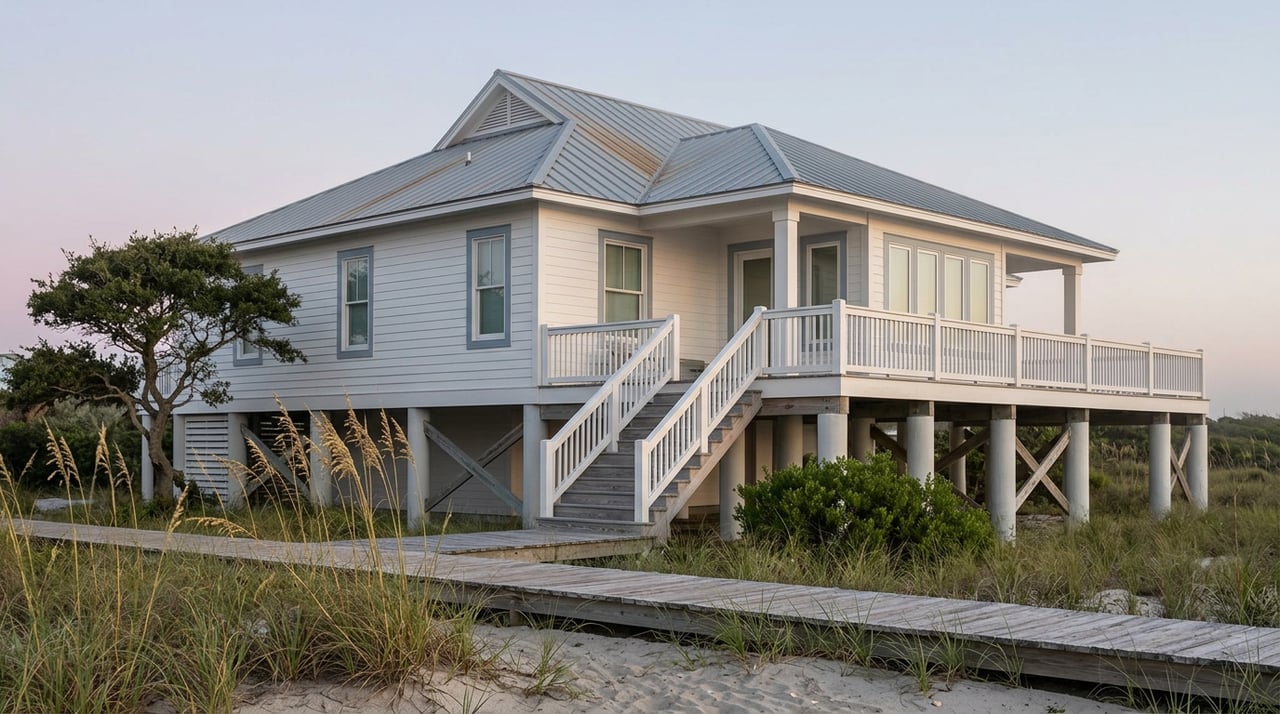
If your ideal Outer Banks day starts before sunrise, ends with a boat washdown, and includes the chance to chase fish offshore or drift the sound closer to home, Hatteras deserves a close look. This village is built around the water, and that shapes how people spend weekends, plan home features, and think about everyday life. If you are considering buying in Hatteras, understanding the boating and charter fishing lifestyle can help you choose a property that truly fits. Let’s dive in.
Why Hatteras Feels Different
Hatteras Village sits at the southern end of Hatteras Island, and Dare County describes it as a unique maritime community within Cape Hatteras National Seashore. Its location helped it grow into a hub for fishing and maritime trade, largely because of its proximity to the Gulf Stream. Today, that same geography still drives the lifestyle.
You are not just near the water in Hatteras. You are surrounded by it, with the Atlantic Ocean on one side and Pamlico Sound on the other. That gives you access to very different boating and fishing experiences, often within the same day.
Boating Access Shapes Daily Life
For many buyers, the biggest appeal of Hatteras is how close boating feels to normal life. The village has concentrated water access, visible marina activity, and a layout that keeps waterfront infrastructure part of your routine instead of a major outing. If you are the kind of person who wants to get on the water often, that convenience matters.
Dare County notes that the Hatteras Village Pathway runs 3.1 miles from the northern entrance of the village to the ferry docks at the southern end. That connected layout helps tie together local amenities, marinas, and public access points in a way that feels practical for full-time residents, second-home owners, and frequent visitors.
Key Marina Hubs in Hatteras
Two of the best-known boating centers in the village are Hatteras Harbor Marina and Teach’s Lair Marina. Both support the boating culture that makes Hatteras stand out on the Outer Banks.
Hatteras Harbor Marina reports a 22-boat charter fleet along with transient slips up to 60 feet, shore power, water, showers, a laundromat, diesel fuel, and on-site fish cleaning, storage, and shipping services. It also notes that its charter fleet has one of the shortest runs to the Gulf Stream.
Teach’s Lair Marina lists 85 fully equipped slips, accommodations for boats up to 70 feet, a launch ramp, fuel, a tackle shop, a fishing license kiosk, and dry storage. For property buyers, those details help paint a picture of what ownership can look like if your lifestyle includes trailering, chartering, or keeping a boat nearby.
What Buyers May Want in a Hatteras Property
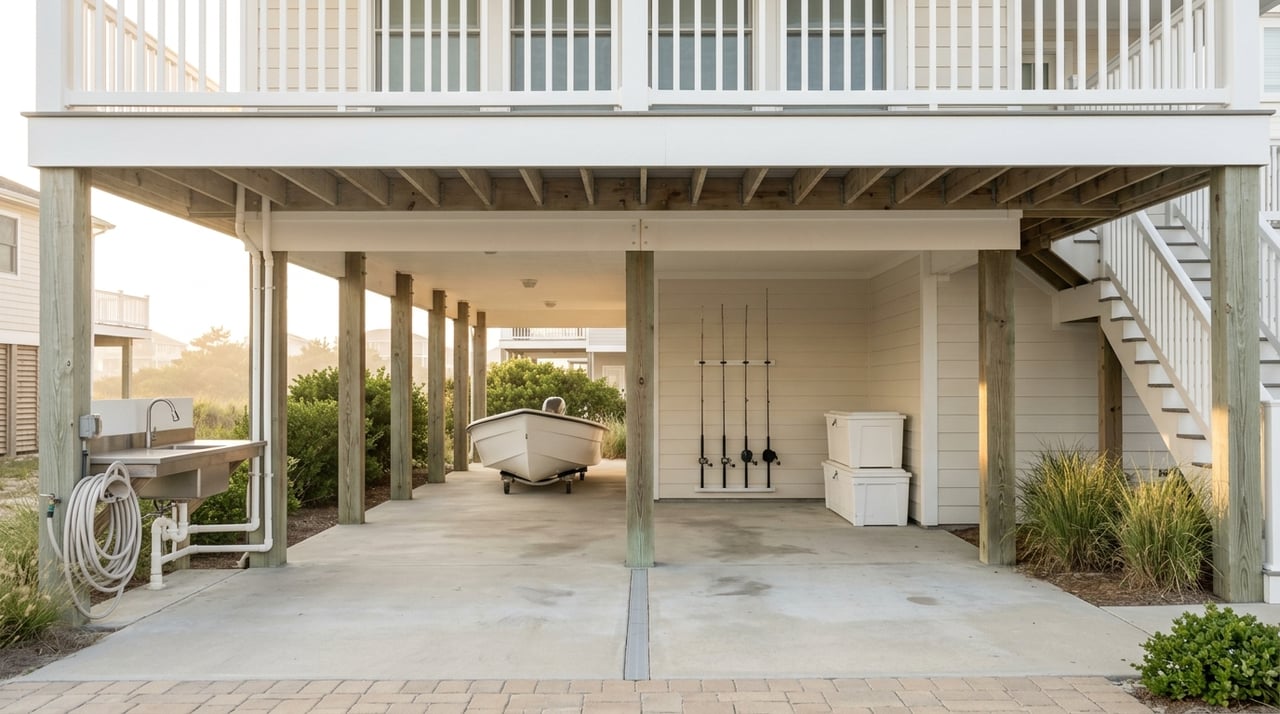
If boating is part of your plan, it helps to think beyond square footage and views. The right property may also support how you actually use the water.
Features many boating-minded buyers look for include:
- Proximity to a marina or launch ramp
- Space for trailer parking
- Easy access to ferry docks
- Storage for rods, tackle, and gear
- Outdoor areas that make cleanup easier after a day on the water
- Ownership setups that support storm preparation
Charter Fishing Is Part of the Culture
In Hatteras, charter fishing is not just a vacation activity. It is part of the village identity and a major thread in the local rhythm of the year. That gives the area a sense of purpose and tradition that many buyers find appealing.
Hatteras Harbor says fish are caught year-round. Offshore species include marlin, sailfish, tuna, dolphin, and wahoo, while inshore catches can include speckled trout, flounder, bluefish, and red drum.
That seasonal range is supported by the North Carolina Department of Environmental Quality, which notes that winter charter boats and head boats may target species such as bluefin tuna, king mackerel, yellowfin tuna, wahoo, reef fish, and spotted seatrout depending on conditions. In other words, the local fishing scene changes with the season instead of shutting down into a single pattern.
A Working-Waterfront Mindset
The charter scene in Hatteras is also tied to visible operating standards. Hatteras Harbor states that boats in its charter boat association are required to hold proper Coast Guard licenses, marine fisheries permits, and insurance. For buyers and visitors, that speaks to a local fishing industry that is active, organized, and deeply rooted.
This working-waterfront character shows up beyond the marinas too. Dare County identifies Hatteras as home to the Graveyard of the Atlantic Museum and the Hatteras Island Ocean Center, both of which help reinforce the village’s strong maritime identity.
The Seasons Matter in Hatteras
Life on the water here is rewarding, but it is never static. Weather, wind, and storm patterns are part of the ownership equation, and understanding that upfront helps you make smarter decisions about both property and lifestyle.
The National Park Service notes that Outer Banks conditions can change quickly. At Sandy Bay, soundside conditions are often shallow and windy, while Atlantic waters are influenced by the Gulf Stream. NPS recommends checking the weather and the daily NOAA Rip Current Hazard Forecast before heading out.
Summer Energy and Fall Preparedness
Summer brings some of the busiest and most enjoyable boating days of the year, but it also comes with practical responsibilities. NOAA says Atlantic hurricane season runs from June 1 through November 30, with peak activity from August through October.
For homeowners, that means storm readiness should be part of the plan, not an afterthought. If you are shopping for a home in Hatteras, it makes sense to think about how you would secure outdoor items, protect gear, and manage the property during active weather periods.
Fishing Events Build Community
One reason Hatteras stands out is that fishing is woven into local events, not kept separate from community life. That gives the village a social rhythm that many second-home buyers and full-time residents appreciate.
Dare County lists several signature events that reflect this culture. The Hatteras Village Offshore Open takes place in May, and the community fish fry runs every Saturday from Memorial Day weekend through Labor Day weekend.
In September, the Hatteras Village Invitational Surf Fishing Tournament brings more than 90 teams to town. Dare County also highlights Day at the Docks, an event rooted in the commercial and charter fishing industries and created after Hurricane Isabel cut a new inlet south of the village.
These events help show what daily life can feel like in Hatteras. The water is not just scenery here. It shapes local traditions, seasonal traffic, and the reasons people gather.
Ferry Access Is Part of the Lifestyle
In Hatteras, boating life overlaps with island travel in a way that feels distinct from many other coastal markets. Ferry service is part of how people move through the area, which adds to the village’s connection to the water.
The North Carolina Department of Transportation says the Hatteras-Ocracoke vehicle ferry is free, first come first served, and does not accept reservations. NCDOT also says the Ocracoke Express passenger ferry runs from mid-May until early September.
The National Park Service notes that travel from Hatteras Village to Ocracoke requires either the seasonal passenger ferry or the year-round vehicle ferry. For owners, that can make day trips and island-hopping feel like a regular part of living here.
Practical Rules for Recreational Fishing
If you plan to fish often, it is important to know that the Hatteras lifestyle also comes with state rules. These are not difficult to manage, but they are part of being a responsible owner and angler.
According to NC DEQ, anyone age 16 or older needs a Coastal Recreational Fishing License to recreationally take finfish in coastal waters. NC DEQ also states that as of December 1, 2025, harvested red drum, flounder, spotted seatrout, striped bass, and weakfish must be reported.
Because fishing conditions and activity are so local, it also helps to stay current. NC DEQ says its recreational fishing reports are updated weekly during the height of the season, based on interviews with more than 500 anglers each week at coastal access sites.
What This Means for Homebuyers
If you are searching for a place in Hatteras, the boating and charter fishing lifestyle should shape your home search from day one. A beautiful property is only part of the equation. You also want a location and setup that match how you plan to use the water.
For some buyers, that means being close to a marina or launch point. For others, it means space for gear, easier trailer storage, or a property that fits a seasonal second-home schedule with storm prep in mind.
If you are considering a vacation rental investment, it can also help to think about how close the home is to the marinas, ferry docks, and the village’s fishing-centered attractions and events. In a place like Hatteras, lifestyle access often plays a major role in long-term appeal.
Whether you want a second home, a year-round residence, or an investment property tied to the coastal lifestyle, Hatteras offers a version of Outer Banks living that is deeply connected to boating, fishing, and the working waterfront. If you want help finding a property that fits how you actually plan to live here, Jessica Evans can guide you with local insight and hands-on support.
FAQs
What makes Hatteras appealing for boaters?
- Hatteras offers access to both the Atlantic Ocean and Pamlico Sound, along with marinas, launch facilities, ferry access, and a village layout that keeps the water central to daily life.
What charter fishing opportunities are available in Hatteras?
- Hatteras has year-round charter fishing, with offshore species such as marlin, sailfish, tuna, dolphin, and wahoo, plus inshore species like speckled trout, flounder, bluefish, and red drum.
What marinas serve boat owners in Hatteras Village?
- Two major marina hubs are Hatteras Harbor Marina and Teach’s Lair Marina, which offer services such as slips, fuel, launch access, dry storage, and charter fleet support.
What should Hatteras homebuyers consider for boating life?
- Buyers may want to consider marina proximity, trailer parking, gear storage, ferry access, and how a property supports storm preparation during hurricane season.
What fishing rules apply to recreational anglers in Hatteras?
- NC DEQ says anglers age 16 or older need a Coastal Recreational Fishing License to take finfish in coastal waters, and certain harvested species must be reported starting December 1, 2025.
How does ferry service affect life in Hatteras?
- The Hatteras-Ocracoke vehicle ferry and the seasonal Ocracoke Express passenger ferry make island travel part of the local lifestyle and can add to the appeal of living in the village.