Trying to choose between an old Nags Head cottage and a newer beach house? In Nags Head, that decision is about more than age or style. You are really choosing between two different ownership experiences, each shaped by local history, design, upkeep, and town rules. If you want to buy with more clarity, this guide will help you compare what matters most. Let’s dive in.
What Old Nags Head Means
In Nags Head, the “Old Nags Head” look is closely tied to the Historic Cottage Row east of Jockey’s Ridge State Park. According to the Town of Nags Head, this mile-long area includes about 41 contributing homes and reflects the late 19th and early 20th century lifestyle that helped define the town’s identity.
That history still matters today. The Town’s planning vision says preserving historic architecture and the tourism-based economy is central to Nags Head’s sense of place. At the same time, buyers should know the Beach Cottage Row Historic District Plan was prepared for the Town but was not adopted by the Board of Commissioners.
In practical terms, that means you should think of the area as historically recognized and shaped by current town planning, zoning, flood, stormwater, and design rules, rather than by a separate adopted preservation plan.
How The Homes Look Different
Old cottage features
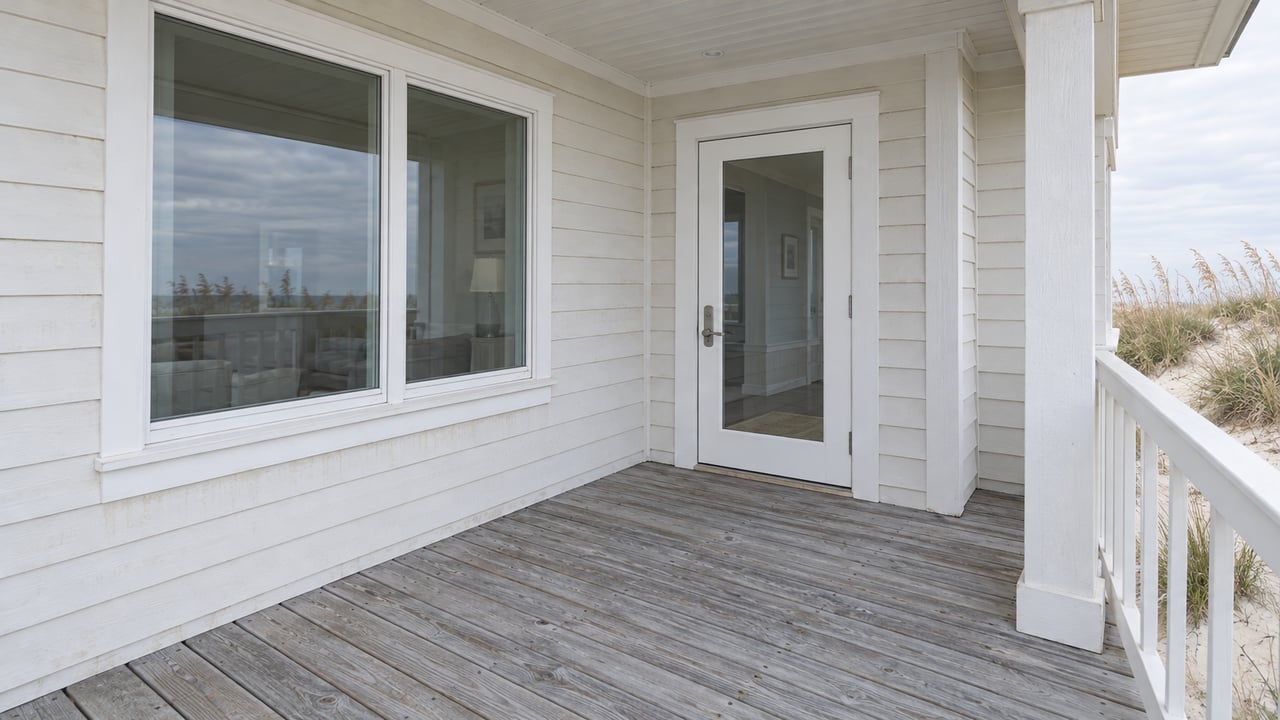
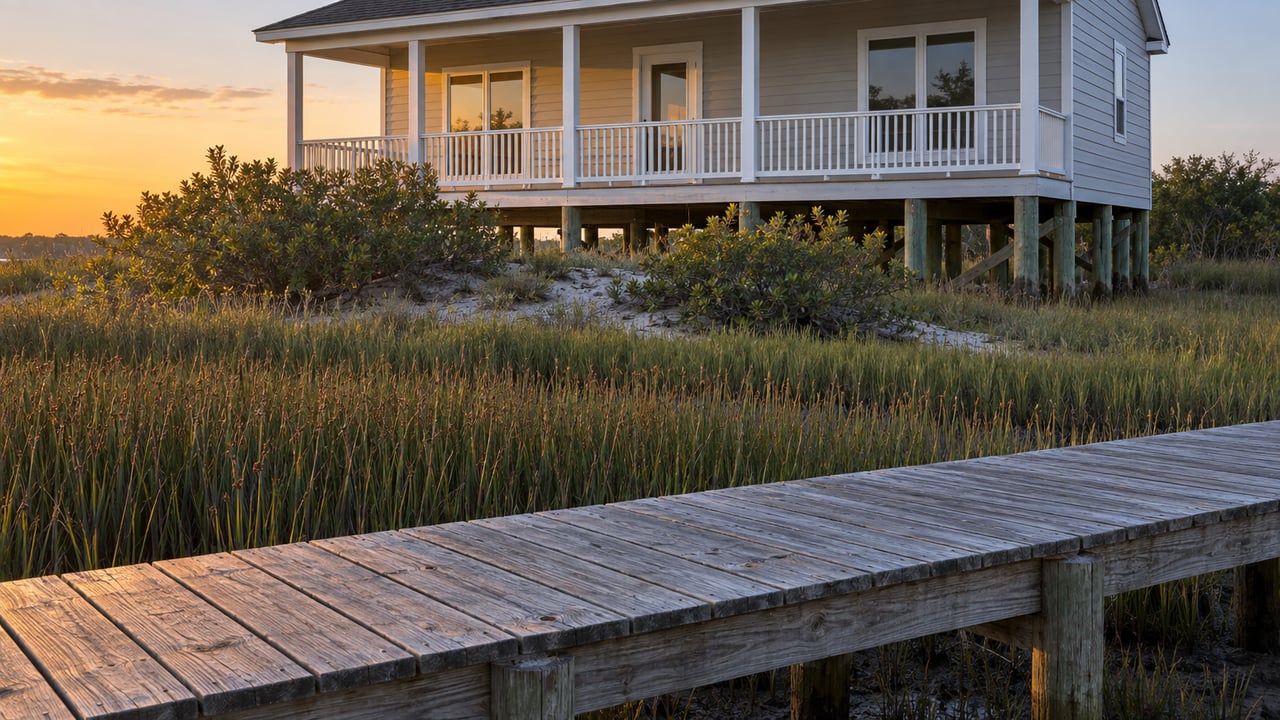
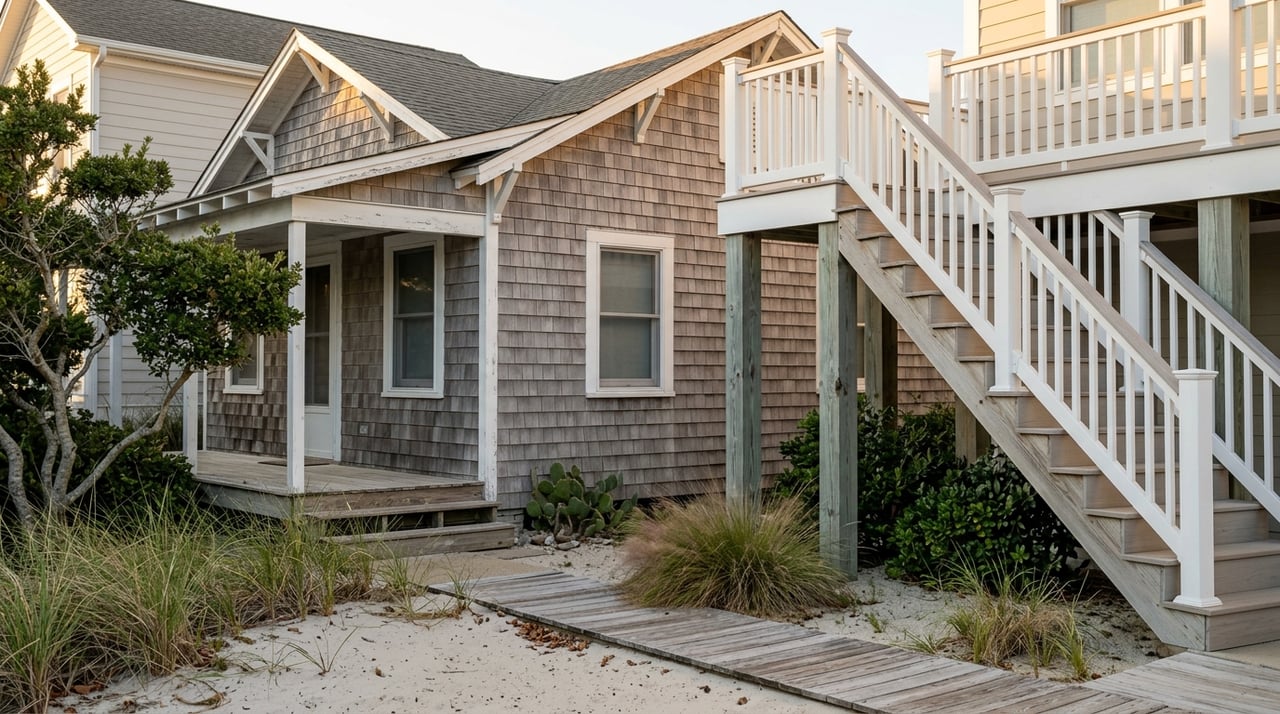
Older Nags Head cottages usually have a smaller-scale, more traditional beach-house feel. Common features include pitched roofs with shallow eaves, unpainted wood shingles, casement or sash windows, batten storm shutters, dormers, wraparound porches, brick chimneys, and timber pilings that raise the home above the ground.
Some early soundside homes were built as one to one-and-a-half stories, while cottages in the row also include two- and three-story homes. The overall impression is often simple, weathered, and closely tied to the original coastal character of Nags Head.
New construction features
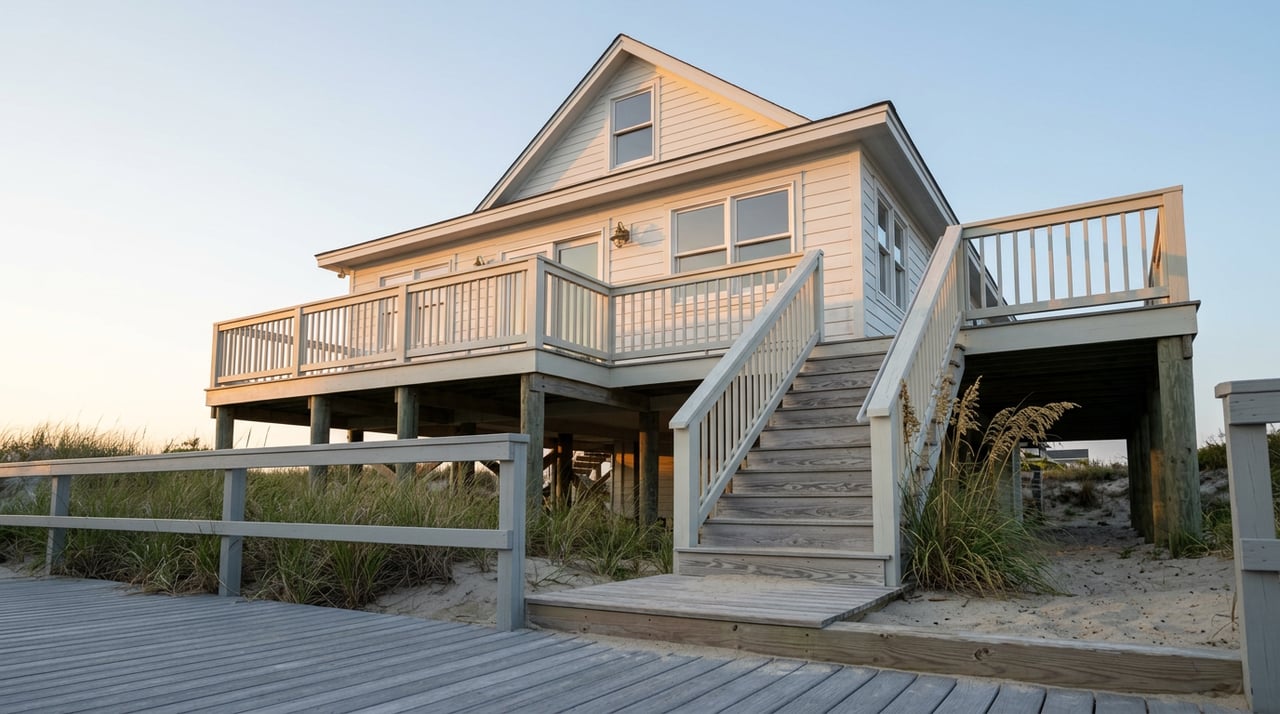
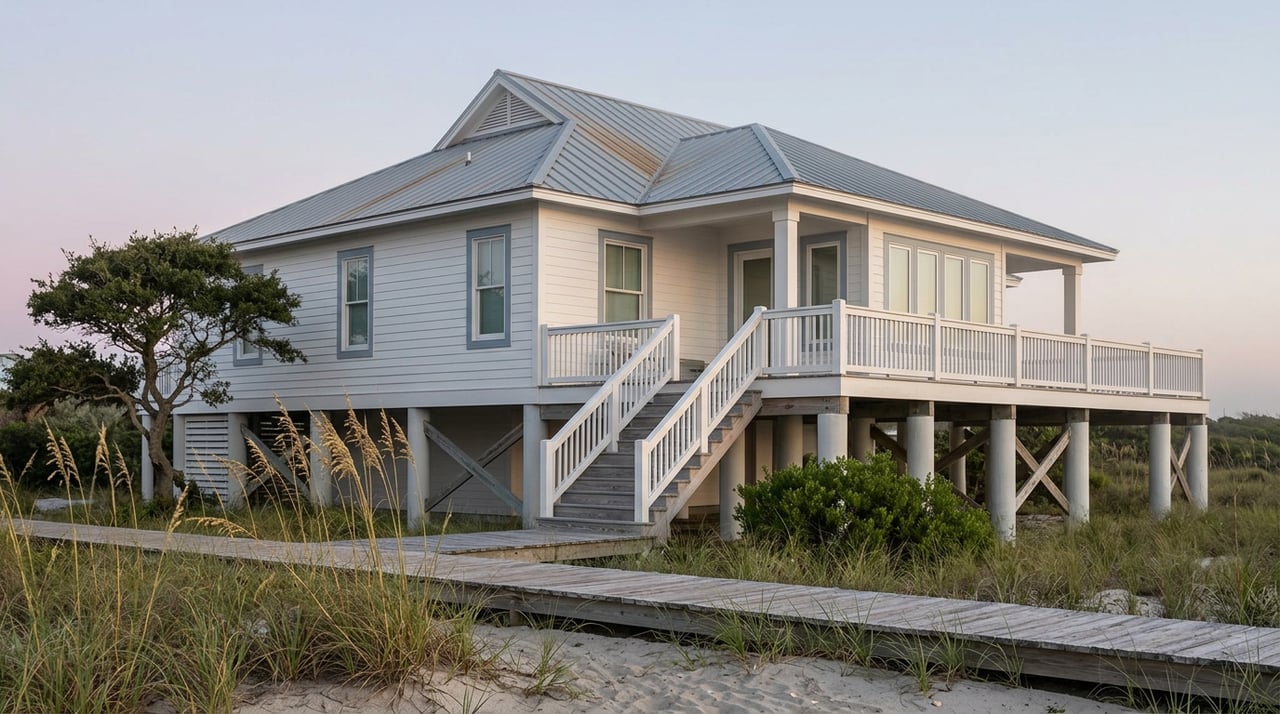
Newer homes in the broader area tend to reflect a more modern beach-house style. The Town describes these homes as mostly three stories, often with second- and third-story porches, wood and siding exteriors, bright colors, circular or dormer windows, paved driveways, fences, and in some cases pools.
That usually creates a very different visual and functional feel. New construction often has a taller footprint and more room for additional bedrooms, bathrooms, parking, and outdoor amenities.
New builds can still fit Nags Head
If you are worried that new construction has to feel generic, Nags Head’s residential design manual offers a helpful reminder. For larger residential projects, the Town encourages Nags Head style and coastal style elements such as wraparound porches, dormers, pitched roofs, wood-shingle siding, working shutters, exposed rafter tails, and porch column trim.
The manual even notes that the wraparound porch is the most desirable design element. So if you want newer construction with local character, that is possible when the design fits the setting.
Lifestyle Tradeoffs To Consider
Old cottages offer character
If you picture slow mornings on a porch, ocean air moving through old windows, and a home with a strong sense of place, an older cottage may be the right fit. These homes often appeal to buyers who want authenticity and a direct connection to the look and feel that made Nags Head memorable in the first place.
That appeal is especially strong near Jockey’s Ridge and the oceanfront, where the setting adds to the experience. For many buyers, the value is emotional as much as practical.
New homes offer space and flexibility
New construction often attracts buyers who want a different kind of use. If you need more sleeping space, more bathrooms, more parking, or features like a pool, a newer home may line up better with your goals.
This can matter if you are buying for large family gatherings, second-home use, or vacation-rental investment. In those cases, layout and amenity package can shape both day-to-day enjoyment and guest appeal.
Maintenance Is A Major Difference
What older cottages need
Older cottages rely heavily on wood materials and detailed exterior features, so regular upkeep matters. The Town’s guidance says routine paint maintenance is essential for wood and metal, wood should be inspected for water saturation, rot, and pests, leaking roofs, gutters, and downspouts should be repaired, and storm windows are encouraged.
The same guidance also says synthetic substitute materials are strongly discouraged when they change the home’s appearance or details. It also notes that shingle siding on cottages should not be painted.
That means the classic cottage look comes with real responsibility. Before you buy, it is smart to look closely at siding, porches, windows, roofing, and pilings so you understand whether you are purchasing charm, deferred maintenance, or both.
What newer homes still face
Newer construction is not maintenance-free. Coastal homes still deal with salt air, wind, moisture, and weather exposure.
Still, the town’s current rules place more emphasis on flood compliance, stormwater management, site design, and overall fit than on preserving historic building fabric. For many buyers, that can feel more predictable than taking on an older home with original materials and long-term repair needs.
Flood And Permit Rules Matter
Check the flood zone first
Nags Head has participated in the National Flood Insurance Program since 1978. The Town says buildings in Special Flood Hazard Areas must meet minimum elevation requirements and obtain a floodplain development permit.
The current effective flood maps for Dare County and Nags Head date to June 19, 2020. The Town also notes that many properties shifted out of AE and VE zones into X or Shaded X on the updated maps, but local elevation standards still apply.
Know the local elevation standard
Nags Head adopted a Local Elevation Standard of 12 feet east of NC 12 and SR 1243 and 9 feet west of those roads. This is one of the most important local details to verify if you are comparing an older cottage to a rebuild, a major remodel, or new construction.
Even if a property’s flood zone changed on the updated maps, you still want to confirm what the Town will require for permits, improvements, or redevelopment.
Stormwater can affect projects
The Town requires a stormwater management plan for all residential developments. For redevelopment, the trigger is 500 square feet or more of built-upon area.
That can become a major factor if you plan to expand an older cottage, add site features, or substantially update a property after closing. What looks simple on paper may involve more review once site coverage and drainage are part of the conversation.
Design rules may apply to larger homes
Nags Head’s residential design guidelines apply to new residential construction with 3,500 square feet or more of heated living area. They also apply to certain major remodels that cross that threshold or exceed 100 percent of assessed value.
If you are considering a large new home or a major renovation, this is another reason to review the property early and ask the right questions before you commit.
Value Depends On The Experience
The biggest difference in value is often not just old versus new. In Nags Head, value is closely tied to the kind of experience the house offers and how well it fits its surroundings.
Town planning documents repeatedly warn that redevelopment not reflecting the scale and appearance of Historic Cottage Row can weaken its historical and architectural significance. At the same time, the Town’s design manual encourages Nags Head style and coastal style architecture without creating a monotonous built environment.
That balance matters if you are thinking long term. A home that suits its setting, respects the local scale, and delivers the experience buyers or renters want may have a stronger position in the market than a home that feels out of place.
A Smart Buyer Checklist
Before you choose an old cottage or new construction in Nags Head, focus on these points:
- Confirm whether the property is in or near the Historic Cottage Row or Historic Character Area.
- Check the current flood zone and ask whether an elevation certificate or floodplain development permit is needed.
- Verify the Local Elevation Standard that applies to the site.
- Ask whether the home size or your renovation plans trigger the Town’s residential design guidelines.
- Review the condition of wood siding, porches, windows, roofs, and pilings on older homes.
- If investment use is part of your plan, compare the likely guest appeal of the layout and amenities against ownership and upkeep costs.
Which Option Is Right For You?
If you want classic coastal character, porch living, and a home that feels rooted in Nags Head’s history, an older cottage may be the right choice. If you want more space, more amenities, and a layout built around modern use, new construction may make more sense.
Neither option is automatically better. The right choice depends on how you plan to use the home, how much upkeep you want to take on, and how the property fits both town requirements and the surrounding area.
If you are weighing cottages against new construction in Nags Head, talking through the tradeoffs with a local expert can save you time, money, and surprises. To schedule a consultation, connect with Jessica Evans.
FAQs
What is considered an Old Nags Head cottage?
- In local terms, the Old Nags Head look is most closely associated with the Historic Cottage Row east of Jockey’s Ridge State Park, where the Town recognizes a collection of historic homes that reflect early Nags Head architecture and lifestyle.
Are old cottages in Nags Head protected by a separate historic preservation plan?
- Not by a standalone adopted preservation plan. The Beach Cottage Row Historic District Plan was prepared for the Town but not adopted, so properties are mainly shaped by current planning, zoning, flood, stormwater, and design rules.
Do new homes in Nags Head have to match historic cottage style?
- Not exactly, but the Town encourages larger residential projects to use Nags Head style and coastal style features such as wraparound porches, dormers, pitched roofs, and working shutters.
What should buyers check before remodeling a Nags Head cottage?
- You should review flood zone status, local elevation standards, stormwater requirements, and whether the scope of work could trigger residential design guidelines or floodplain permitting.
Are older cottages in Nags Head harder to maintain than new construction?
- Often yes. The Town’s guidance highlights the need to monitor wood for water saturation, rot, and pests, maintain paint and exterior details, repair roof and drainage issues, and preserve original appearance where possible.
What matters most when comparing cottage value to new construction value in Nags Head?
- In many cases, the key factor is the experience the home offers and how well it fits the surrounding area, including local scale, character, layout, and expected upkeep.