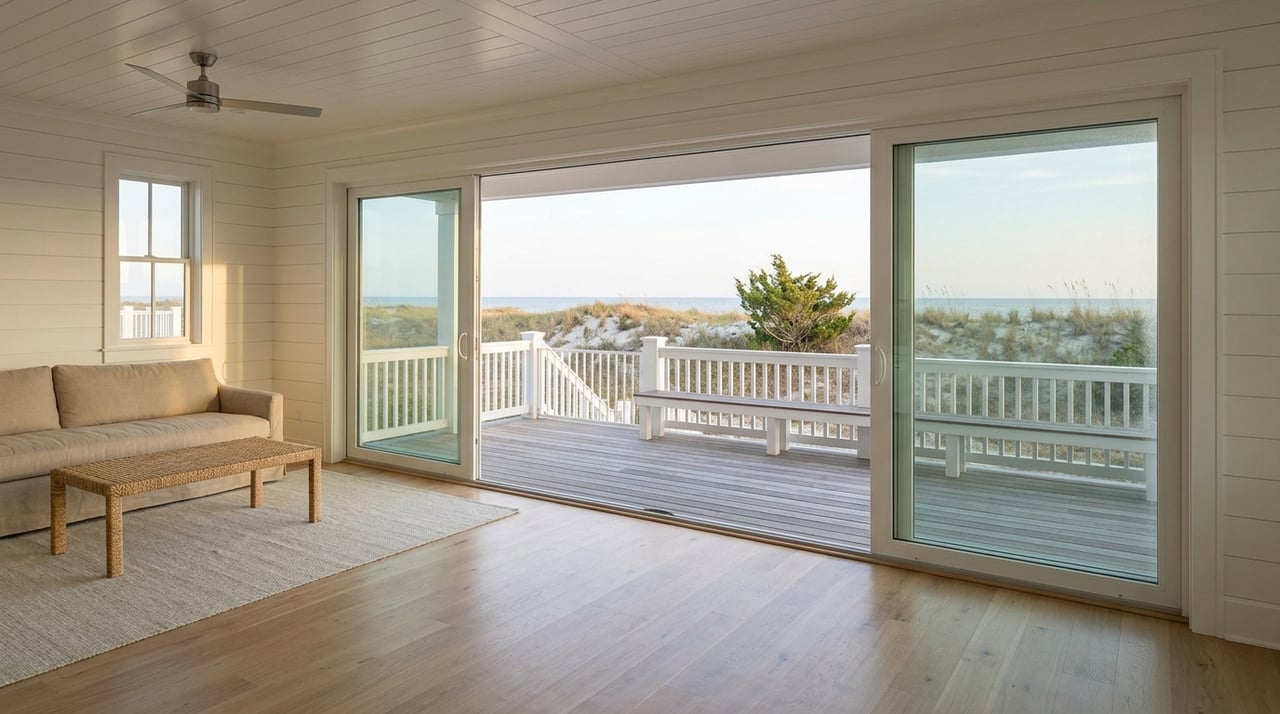
If you are thinking about selling an oceanfront home in Nags Head, you already know this is not the same as selling an inland property. Buyers look closely at views, beach access, flood risk, permits, rental history, and the condition of everything exposed to salt, wind, and sand. The good news is that with the right preparation, you can make your home easier to evaluate, easier to market, and easier to close. Let’s walk through it step by step.
Why Oceanfront Sales Take More Planning
Nags Head is a seasonal coastal market, and that shapes how buyers shop and how homes are sold. Dare County reports a permanent population of about 37,000, but average daily population rises to roughly 225,000 to 300,000 from June through August. That seasonal traffic creates more exposure in peak months, but it also adds showing and scheduling challenges.
Oceanfront homes also come with a different set of questions than many other properties. The Town of Nags Head describes the shoreline as an active environment shaped by wind, waves, erosion, storm surge, sea level rise, and shoreline migration. Because of that, buyers tend to dig into setbacks, flood information, permit records, and long-term maintenance earlier in the process.
The local market data supports a strategic approach. In the December 2025 Outer Banks Association of REALTORS report for Nags Head, there were 62 active listings, 14 sold listings, 4.4 months of inventory, and a 96.6% sold-to-list ratio. That tells you pricing still matters, but well-positioned homes can attract serious buyers.
Step 1: Gather Your Property Records
Before your listing goes live, build a clean document package. Oceanfront buyers often move into due diligence quickly, and organized records can prevent delays and build confidence.
Start by pulling permits and final approvals for any major work. That includes remodels, additions, decks, roofs, flood-related repairs, and sand-relocation work. Nags Head reviews projects for zoning, stormwater, flood, and building code compliance, so buyers often want proof that completed work was properly approved.
If your home is part of an HOA or subject to covenants, gather those documents early too. Include dues, assessments, meeting minutes, and resale materials so buyers can review them alongside the required disclosure paperwork. Association details are part of the broader disclosure picture in North Carolina.
Step 2: Complete Required North Carolina Disclosures
In North Carolina, most sellers of residential property must provide two disclosure forms before an offer is made. These are the Residential Property and Owners’ Association Disclosure Statement and the Mineral and Oil and Gas Rights Mandatory Disclosure Statement.
This step matters even more on the coast, where buyers are likely to ask about known defects, past storm damage, repairs, and property conditions. North Carolina Real Estate Commission guidance also reminds brokers that material facts must be disclosed, and that duty is not avoided just because a property has been used as an investment.
The goal is simple. Be complete, accurate, and ready early. A clear disclosure package helps reduce surprises during negotiations.
Step 3: Get Flood and Insurance Information Ready
For an oceanfront home in Nags Head, flood questions are not optional. Buyers will usually ask about the flood zone, elevation, current insurance coverage, and any prior flood or disaster claims.
Have your current flood insurance declarations ready, along with any elevation certificate and receipts for major repairs. If you have records of past storm-related work, include those too. Buyers and lenders often want to understand not just what happened, but how issues were repaired and documented.
It is also smart to verify the property’s current flood map status before listing. FEMA says flood maps are updated over time, and map status can affect buyer expectations and lender requirements. Another important point is cost: a current owner may be paying less for flood insurance than a new buyer would pay, so setting expectations early can help avoid last-minute friction.
Step 4: Organize Rental Records If Applicable
Many oceanfront homes in Nags Head appeal to both lifestyle buyers and investor-minded buyers. If your home has been used as a vacation rental, organized records can make a real difference.
Nags Head allows residential short-term rentals in every zoning district, with rules that define whole-house and partial-house rentals. Dare County also imposes a 6% occupancy tax on qualifying short-term lodging. Because of that, buyers often want to see occupancy-tax filings, reservation calendars, gross revenue history, and any property management agreements.
This documentation helps in two ways. First, it gives buyers a clearer picture of past performance. Second, it supports lender review when rental income is part of a buyer’s financing plan.
Step 5: Clean Up Coastal Wear Before Listing
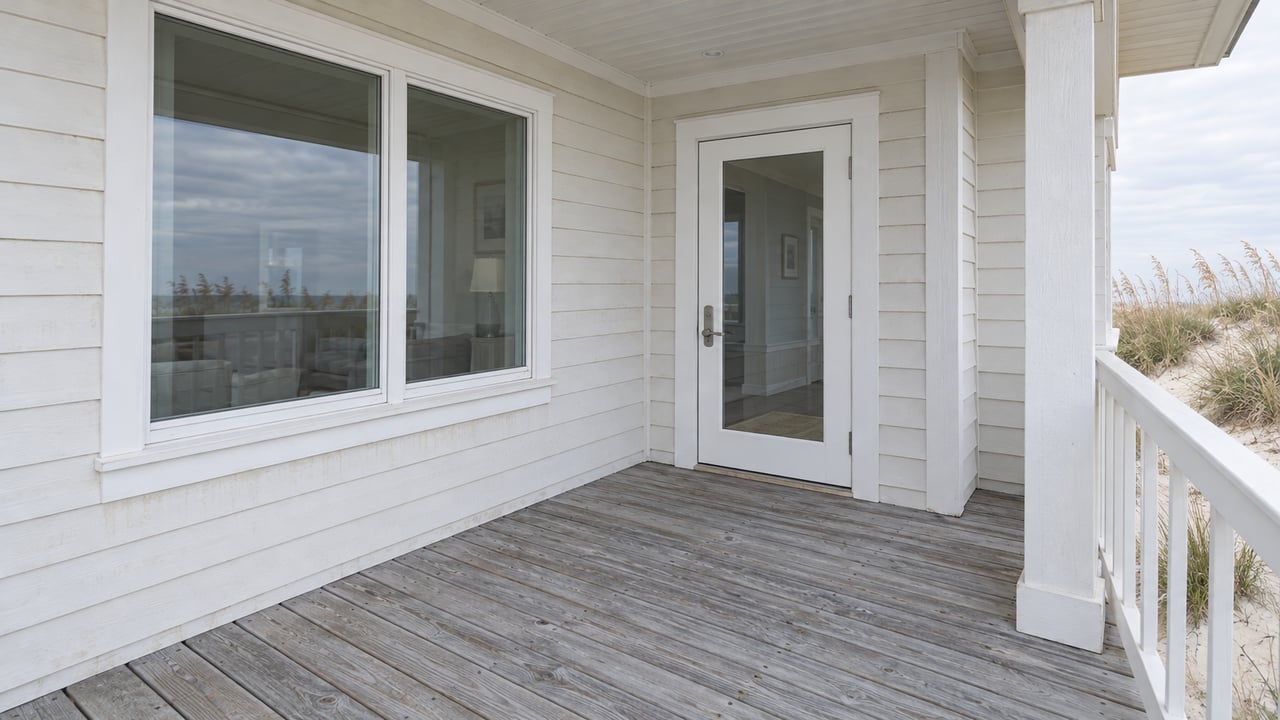
Oceanfront homes take a beating from salt air, wind, and blowing sand. Even a beautiful property can show poorly if exterior spaces feel neglected.
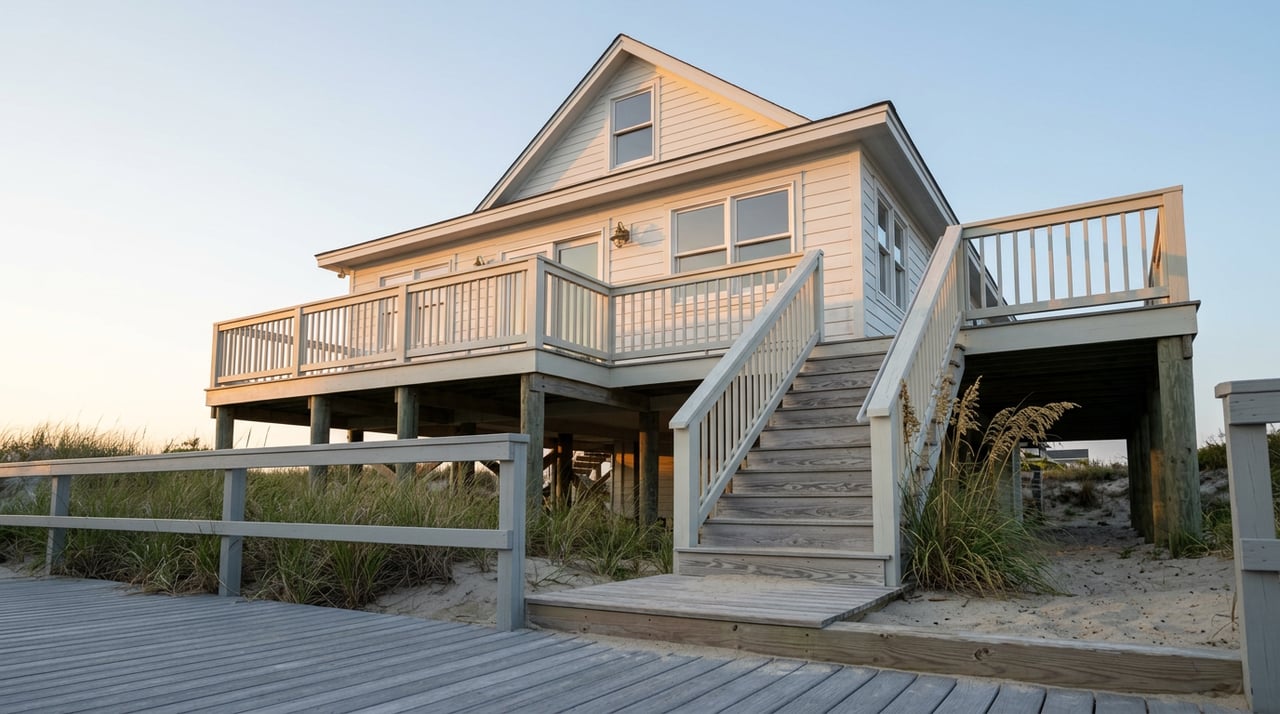
In Nags Head, sand accumulation commonly affects walkways, stairs, decks, pools, and the area around the structure itself. The town has a sand-relocation program, and this is one reason pre-listing cleanup can pay off. Buyers notice whether the home feels maintained from the dune walkover to the top deck.
Focus on the features that shape first impressions and long-term confidence:
- Walkways and beach access points
- Exterior stairs and railings
- Deck surfaces
- Outdoor showers and pool areas
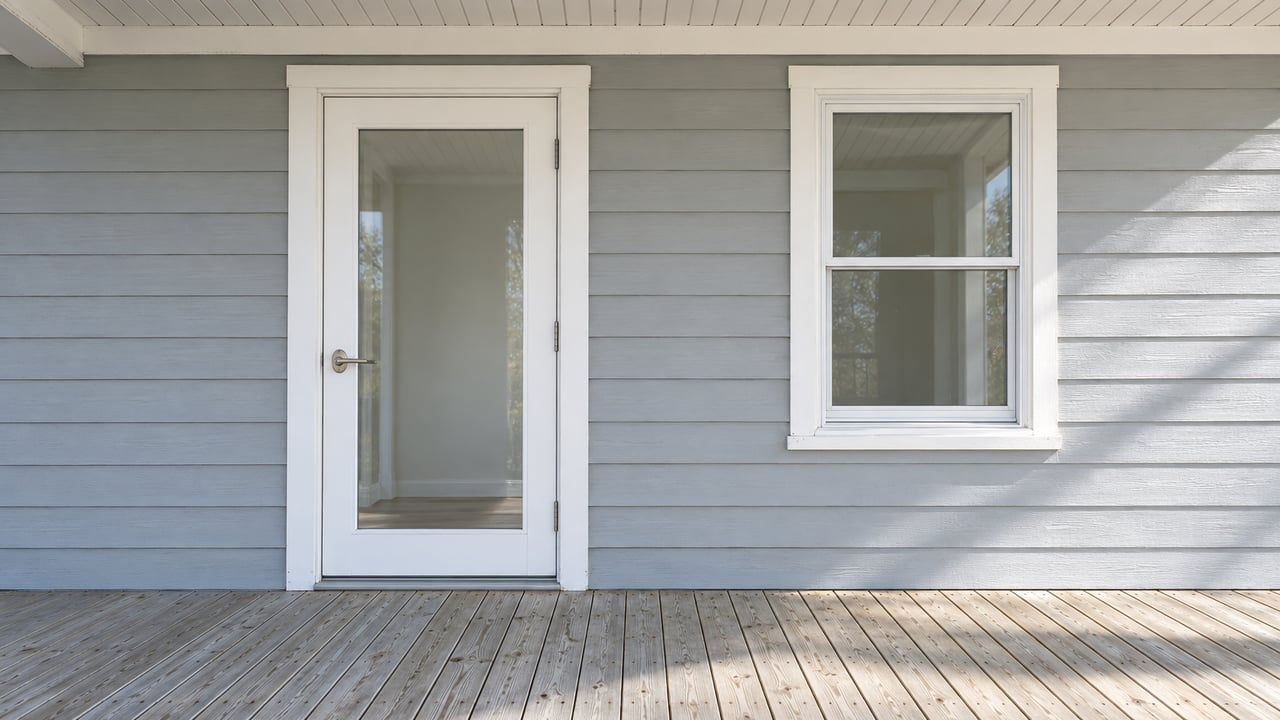
- Siding, trim, and visible exterior wear
- Sand buildup around structures and entrances
Cosmetic polish matters, but visible maintenance matters just as much.
Step 6: Price for the Real Coastal Factors
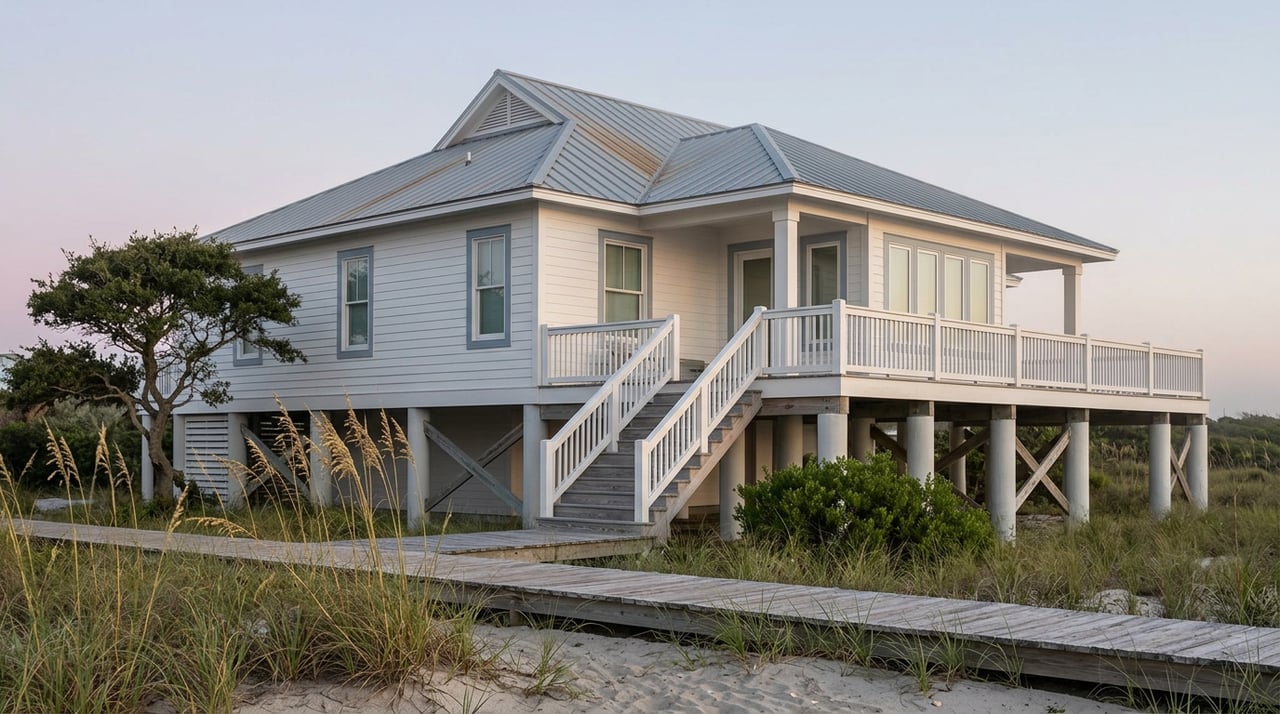
Pricing an oceanfront home in Nags Head goes beyond square footage and finishes. Buyers often weigh direct beach access, dune frontage, lot depth, elevation, flood exposure, exterior condition, and permit history alongside the interior features.
The town’s coastal rules help explain why. Oceanfront setbacks are tied to erosion-rate maps, and lot depth and structure placement can directly affect how a buyer evaluates the property. Since direct frontage is limited and highly specific, small differences in siting and usability can influence value in a big way.
If your home has a strong rental history, that may expand the buyer pool. Still, the numbers need to be organized and credible. Some buyers are shopping for a second home, some are focused on income potential, and some are balancing both goals at once.
Step 7: Position the Home Clearly
A strong listing tells a clear story. For an oceanfront property, that story usually centers on lifestyle, investment potential, or a blend of the two.
If the home has exceptional views, direct beach access, and inviting outdoor living spaces, that should be front and center. If it also has a well-documented rental history, that can be part of the positioning too. The key is not to overload buyers with disconnected features. Instead, present a focused picture of what makes the property valuable and usable.
This is also where oceanfront and semi-oceanfront distinctions matter. In Nags Head, oceanfront buyers are paying for the direct beach experience, while nearby properties may compete more on convenience and cost perception. Your marketing should reflect what your home truly offers.
Step 8: Time Showings Around the OBX Rhythm
Showing strategy matters in a place as seasonal as Nags Head. Summer is the busiest time on the Outer Banks, and that can create both opportunity and complexity.
If your home is occupied or booked as a rental, showing coordination may take extra effort during peak season. Off-season and shoulder-season showings can be easier to manage, though they may come with less spontaneous traffic. The best plan depends on your occupancy calendar, your pricing strategy, and the kind of buyer you want to reach.
For oceanfront homes, presentation during showings should highlight what buyers are actually paying for:
- View lines from main living areas
- Beach access and dune walkover condition
- Outdoor decks and gathering spaces
- The home’s placement on the lot
- Exterior upkeep in high-exposure areas
These details often carry as much weight as staging inside the home.
Step 9: Prepare for Detailed Buyer Questions
Coastal buyers usually ask more detailed questions earlier in the process. That is normal, and being ready with answers can keep negotiations moving.
Expect questions about prior flood or storm damage, insurance coverage, repairs, permit history, and any known easements or oceanfront-related approvals. If the home is affected by beach nourishment easements or similar recorded items, provide those documents early so buyers can review exactly what is on record.
This part of the sale is really about trust. When you can answer questions clearly and back them up with documentation, buyers tend to feel more comfortable moving forward.
Step 10: Use a Closing Checklist
Even after you accept an offer, coastal closings can involve more moving parts than a typical sale. A simple checklist can help you stay ahead of the details.
Before closing, confirm:
- Flood insurance information
- Permit sign-offs and approvals
- HOA payoff letters, if applicable
- Survey or easement records
- Final utility bills
- Rental tax items, if the home was used as a short-term rental
- Current local safety or operational requirements tied to rental use
A clean file does not just reduce stress. It can also help your closing stay on track when the buyer, lender, attorney, and insurer are all reviewing different parts of the property story.
What Sellers in Nags Head Should Remember
Selling an oceanfront home in Nags Head is part pricing strategy, part documentation, and part coastal problem-solving. You are not just selling a house. You are selling location, access, condition, and confidence.
When you prepare early, present the property honestly, and organize the details buyers care about most, you put yourself in a much stronger position. In a market where shoreline conditions, flood questions, and rental potential can all affect decision-making, that kind of preparation can set your sale apart.
If you are planning to sell an oceanfront home in Nags Head and want experienced local guidance, Jessica Evans can help you price, position, and market your property with the hands-on attention coastal sales deserve.
FAQs
What documents do you need to sell an oceanfront home in Nags Head?
- You should gather permits and final approvals for completed work, required North Carolina disclosure forms, flood insurance records, any elevation certificate, HOA documents if applicable, and rental records if the home has been used as a short-term rental.
How important is flood insurance when selling a Nags Head oceanfront home?
- Flood insurance is very important because buyers and lenders often ask about flood zone, elevation, current coverage, and prior claims, and a new owner’s premium may differ from the current owner’s cost.
Does rental history help when selling a Nags Head beach house?
- Yes, a documented rental history can help attract investor-minded buyers, especially when you can provide organized revenue records, reservation calendars, occupancy-tax filings, and management agreements.
When is the best time to show an oceanfront home in Nags Head?
- Summer brings the most activity to the Outer Banks, but occupied or rental homes can be harder to show then, so the best timing depends on your calendar, property use, and marketing strategy.
What affects the value of an oceanfront home in Nags Head?
- Value is often influenced by direct beach access, views, lot depth, elevation, flood exposure, permit history, exterior condition, and how well the home works as a second home, rental property, or both.