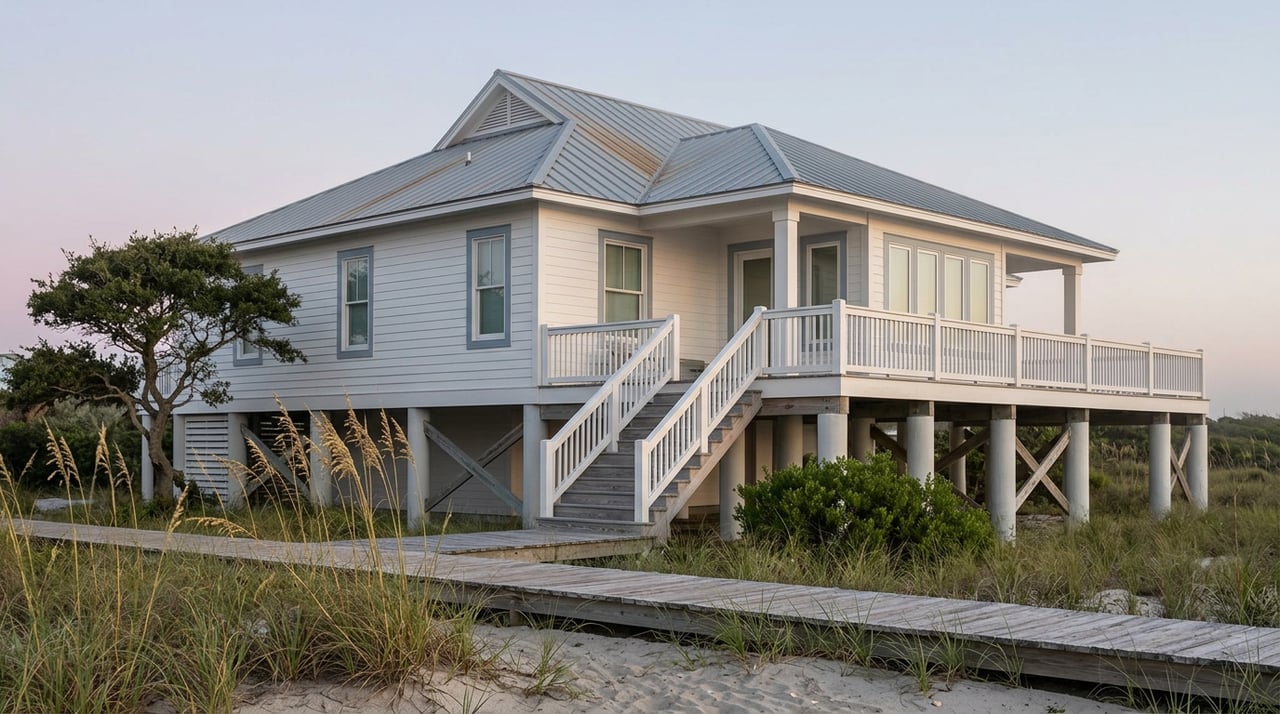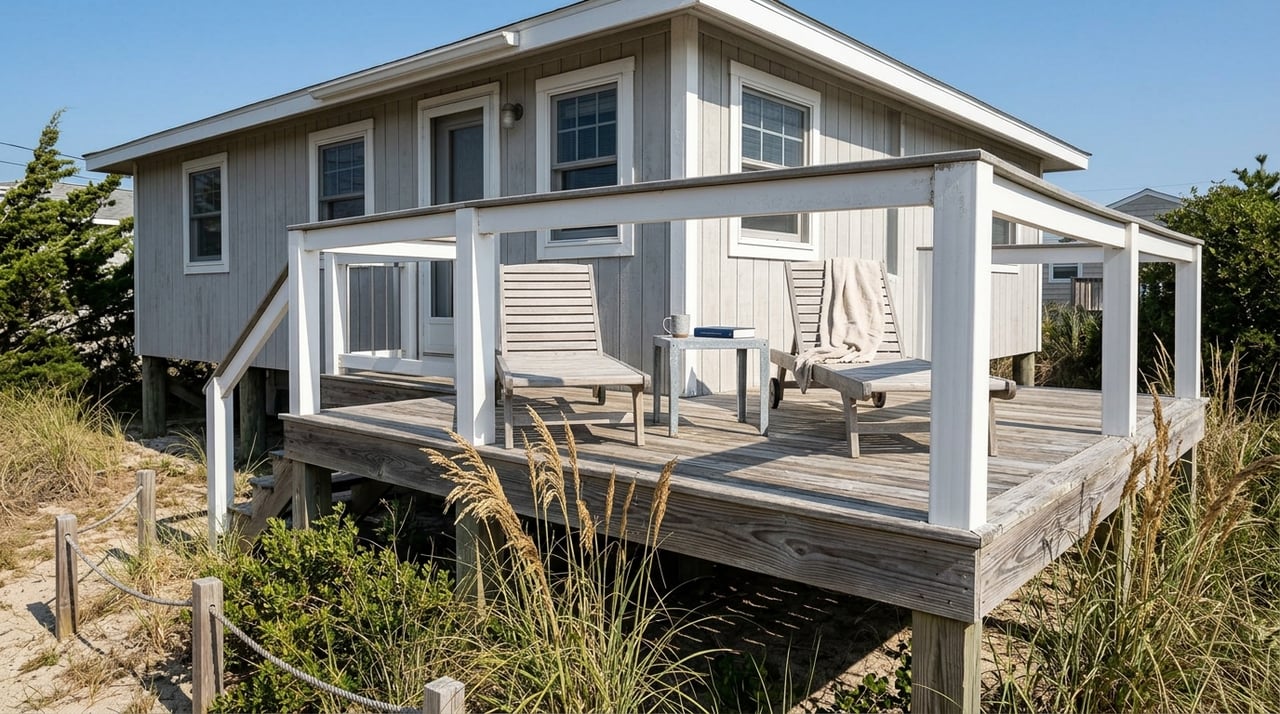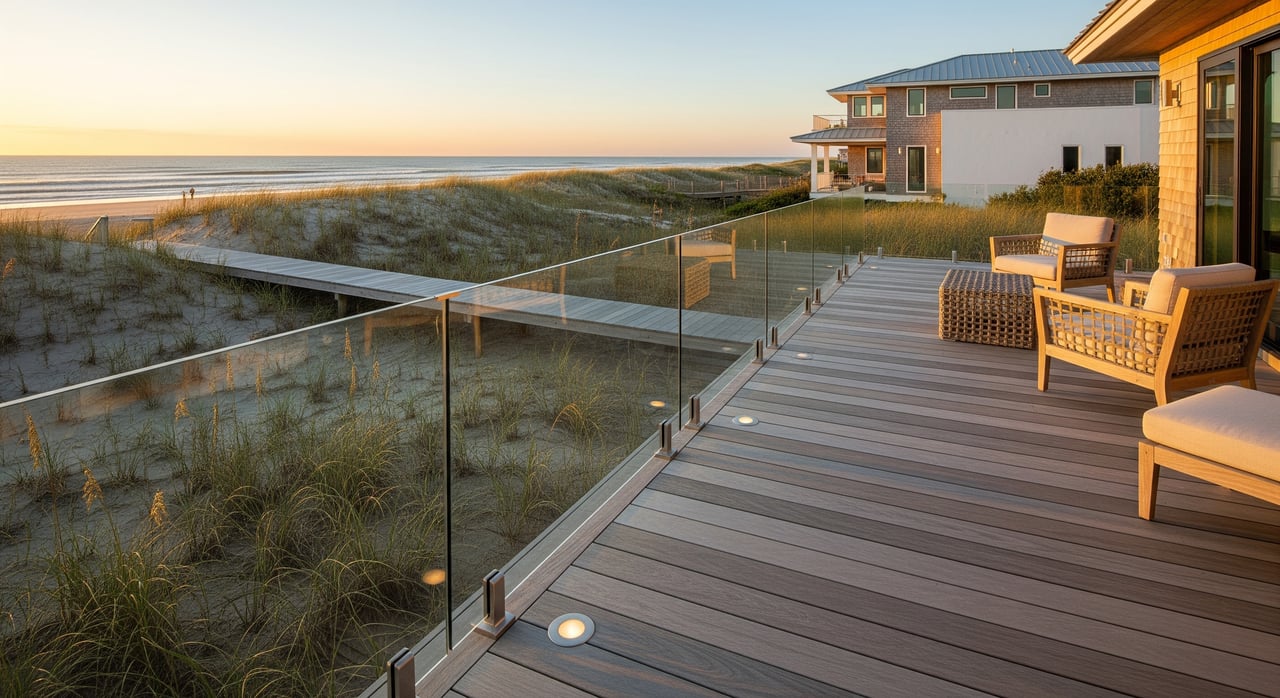
Planning an oceanfront deck or dune walkover in Kill Devil Hills can feel complex. You want safe beach access and a great outdoor space, but you also want to protect the dunes that shield your home and community from storms. The good news is that with the right plan, you can do both. In this guide, you will learn which rules apply, when CAMA permits are required, how to design for durability and dune health, and the practical steps that help approvals move faster. Let’s dive in.
Who regulates oceanfront work in Kill Devil Hills
Several agencies oversee oceanfront projects. Your design and permit path will touch more than one of them, so early coordination is essential.
- North Carolina Division of Coastal Management (NC DCM): Administers the Coastal Area Management Act (CAMA). NC DCM regulates development in ocean hazard areas and seaward of features like the frontal dune. They issue CAMA major and minor permits and define ocean hazard zones.
- Town of Kill Devil Hills: Handles planning, zoning, and local coastal and dune ordinances. The town reviews building permits and can be more restrictive than state rules.
- Dare County Building Inspections: Issues building permits and enforces state and local building codes. The county coordinates with coastal management when needed.
- Federal considerations: FEMA provides flood hazard mapping and NFIP requirements. The U.S. Army Corps of Engineers may be involved if your project affects tidal waters or wetlands.
- Technical guidance: Non-regulatory groups, such as NC Sea Grant and the NC Coastal Federation, publish best practices that can strengthen your design and permit package.
Bottom line: you must meet both state CAMA rules and local town or county requirements. Early conversations with town staff and NC DCM help you avoid redesigns and save time.
When CAMA permits are required
CAMA applies to development in coastal areas and ocean hazard zones. In Kill Devil Hills, that often includes work on or near the frontal dune and the beach side of your property.
- Work seaward of the frontal dune, within the ocean hazard area, or that changes dune form usually triggers a CAMA permit. New oceanfront decks, additions, or walkovers that touch the dune often qualify.
- Structures that traverse the dune, such as walkovers or stairs, may require a permit depending on their footprint and whether they disturb vegetation or the dune profile.
- Activities that affect tidal waters or wetlands can involve the U.S. Army Corps of Engineers.
CAMA minor vs. major permits
Some small projects qualify for CAMA minor permits or exemptions. This is site specific. Larger or more intrusive work, such as new structures seaward of the frontal dune or any dune grading, often requires a CAMA major permit with detailed plans and a longer review.
Do not assume a slim walkover is exempt. Location relative to the dune, construction method, and vegetation impacts all matter. Always confirm status with NC DCM and the town in writing.
Local building permits
Most structural decks and stair systems require a building permit. Your design must meet the NC Building Code, local setbacks, and any dune protection rules set by the Town of Kill Devil Hills. In V zones, foundations and connections often need engineered design.
Floodplain and FEMA requirements
If your structure is in a Special Flood Hazard Area or V zone, you must meet NFIP and building code standards. That can include freeboard elevation, breakaway requirements, and specific foundation types. These rules are separate from CAMA but are just as critical for approvals and insurance.
Dune protection standards you should follow
The frontal dune protects people and property by absorbing storm energy and stabilizing the shoreline. Your design should work with the dune, not against it.
- Preserve vegetation. Disturb as little native dune grass as possible. Plan for immediate replanting where impacts are unavoidable.
- Minimize your footprint. Narrow, elevated walkways reduce contact with the dune surface. Smaller footprints are easier to permit and maintain.
- Avoid buried footings in the dune. Use helical or driven piles with small footprints in place of spread footings that require excavation.
- Allow airflow and sand movement. Open-slat decking and sufficient clearance above the dune help natural sand transport continue.
- Do not grade the frontal dune. Reshaping is usually prohibited unless part of an approved restoration or nourishment plan.
- Use native plants for restoration. Follow local guidance on species and planting density, and stabilize disturbed areas right after construction.
- Guide foot traffic. Use low-profile fencing or simple rails to direct access onto the walkover and reduce trampling.
- Design for storm resilience. Plan for scour and wave loads in V zones, and consider sacrificial or easily repaired sections at the beach end.
Design and placement best practices
Well-planned walkovers and decks protect the dune, reduce maintenance, and simplify permits. Start with a clear understanding of your site, then design to minimize impacts.
Start with a site assessment
- Map the frontal dune crest and toe, mean high water line, and property boundaries on a current survey.
- Confirm the FEMA flood zone and base flood elevation so your deck height, foundations, and connections meet code and NFIP rules.
- Check for past nourishment or restoration projects in your area and any public easements that might affect siting.
Smart design choices
- Elevated, pile-supported walkovers are preferred to minimize contact and excavation.
- Keep the width narrow. For private access, 3 to 4 feet is common. Wider walkways can trigger different standards.
- Use open-slat decking to allow sand to pass. Avoid large solid landings on the dune.
- Elevate the structure high enough for sand movement and to meet flood design requirements. Height is site specific.
- For stairs, consider removable lower sections or variable flights to reduce storm damage. Avoid long concrete runs across the dune.
Materials that last
Salt air is harsh. Choose materials with long service life to reduce future repairs.
- Use corrosion-resistant fasteners such as stainless steel or hot-dip galvanized hardware.
- Select naturally durable timber or marine-grade composites rated for coastal exposure.
- Favor modular or removable elements where storm damage is likely to occur.
Access and lighting
- Keep rails and fencing simple and open. Avoid solid walls that disrupt airflow and sand transport.
- Use low-glare, downward-directed lighting to limit disturbance to dune systems and wildlife.
Permitting process and timeline
Every site is unique, but the path below fits most oceanfront deck and walkover projects in Kill Devil Hills.
- Pre-application. Contact Town of Kill Devil Hills planning and building staff and the local NC DCM field office. Share a site plan and photos. Early feedback helps you set the right scope.
- Survey and design. Order a coastal survey that shows the dune crest, toe, mean high water line, property lines, and FEMA elevations. Engage a coastal or structural engineer for pile design and V zone requirements.
- Submit applications. File your building permit with the town or county and your CAMA application with NC DCM. If you might affect tidal waters or wetlands, initiate a discussion with the U.S. Army Corps of Engineers.
- Review and revisions. Expect comments on erosion controls, dune protection, and structural details. Major permits can require more iterations and public notice.
- Approvals and construction. Do not start work until all approvals are in hand. Follow the approved plans and erosion control measures. Schedule inspections as required.
- Post-construction restoration. Replant any disturbed dune areas promptly and document completion if the permit requires it.
Typical timing and costs
- Minor or exempt projects: Sometimes resolved in days to a few weeks, depending on complexity and review queues.
- CAMA major permits: Often take several weeks to a few months, with longer timelines for complex sites.
- Budgeting: Plan for a coastal survey, engineering, permit fees, and construction. VE zone designs commonly cost more due to engineered piles and corrosion-resistant materials.
Tips to speed approvals in Kill Devil Hills
- Start early with town and NC DCM. A short pre-application call can save weeks later.
- Submit a clear, scaled site plan that marks the frontal dune crest and toe, MHW line, property lines, and proposed structure footprint.
- Choose pile-supported designs and minimize dune contact. Permit reviewers look for low-impact solutions.
- Include a vegetation restoration plan with native species and planting densities.
- Address flood design up front. Note V or AE zone requirements, BFE, and foundation and connection details.
- Coordinate with neighbors if access routes or construction staging could affect shared areas.
- Document construction access that avoids crossing dunes with vehicles and includes erosion controls.
Pitfalls to avoid
- Assuming a private walkover is exempt without confirmation from NC DCM and the town.
- Burying spread footings in the dune or grading the dune profile.
- Oversizing the walkway or adding large solid landings that block sand movement.
- Skipping post-construction planting or failing to stabilize disturbed areas.
- Starting work before all permits are issued.
Plan for storms and long-term maintenance
Coastal structures face waves, wind, and salt. Plan for a lifecycle approach from day one.
- Expect periodic maintenance and potential replacement, especially at the beach end of a walkover.
- Use sacrificial or easily replaced sections where damage is most likely.
- Keep permit records and before-and-after photos in case emergency repairs or insurance claims are needed.
- After major storms, contact local officials to confirm what repairs are allowed under emergency provisions and what requires new permits.
Your next steps in Kill Devil Hills
- Schedule a pre-application chat with the Town of Kill Devil Hills and NC DCM to confirm permit needs.
- Order a current coastal survey that maps the dune, MHW line, property lines, and FEMA elevations.
- Hire a coastal-savvy engineer or contractor with VE zone experience.
- Design for minimal dune impact and include a restoration plan.
- Budget for engineered piles, corrosion-resistant materials, and reasonable review timelines.
- Keep a tidy paper trail with dated photos before, during, and after construction.
If you are weighing an oceanfront purchase, planning upgrades for a vacation rental, or preparing to sell, we can connect you with trusted local engineers, contractors, and inspectors. You get one point of contact and a clear plan from concept to closing. Schedule a consultation with Luxury Realty Outer Banks to get started.
FAQs
Do I need a CAMA permit for a dune walkover in Kill Devil Hills?
- It depends on your exact location and design. If the walkover is seaward of the frontal dune, disturbs dune vegetation, or alters the dune form, a CAMA permit is likely required. Confirm with NC DCM and the town before you design.
What is the difference between a CAMA minor and major permit?
- Minor permits or exemptions apply to small, low-impact projects. Major permits cover larger or more intrusive work and require detailed plans and a longer review. The classification is site specific.
Can I put concrete footings in the dune for my deck?
- This is generally discouraged and often prohibited because it requires dune excavation and can destabilize the dune. Pile-supported systems with small footprints are preferred.
How high does my oceanfront deck need to be?
- Height is site specific. Your deck must meet NC Building Code and NFIP rules, including base flood elevation and any V zone requirements for foundations and connections.
Will a walkover affect my flood insurance?
- It can. Attached structures in V and AE zones can influence elevation and enclosure rules, which may affect premiums. Speak with your insurance specialist and ensure compliance with NFIP standards.
What happens if a storm damages my walkover?
- Some emergency repairs can be made with quick notice, but reconstruction often requires permits. Keep contact information for the local building department and NC DCM and document damage with photos.
How can I reduce my project timeline?
- Start with a pre-application meeting, provide a clear survey and site plan, choose low-impact pile-supported designs, include a vegetation restoration plan, and address flood design details in your initial submittal.