If you love the Outer Banks but want a setting that feels a little quieter, more established, and more connected to everyday local life, Kitty Hawk’s soundside communities deserve a close look. This side of town offers a different rhythm from the oceanfront strip, with wooded roads, marsh-edge settings, village character, and easy access to calm water. If you are considering a move, second home, or investment property in Kitty Hawk, understanding how the soundside lives day to day can help you make a more confident decision. Let’s dive in.
What “soundside” means in Kitty Hawk
In Kitty Hawk, “soundside” is more of a local description than an official zoning term. It generally refers to the bay-side and interior neighborhoods west of the main beach corridor, especially around Kitty Hawk Village and Woods Road.
That distinction matters because Kitty Hawk has a few clear layers to its identity. Town materials describe the community as a mix of village, beach, and maritime forest, which helps explain why the soundside often feels more residential and rooted in year-round life.
Why the soundside feels different
Kitty Hawk planning documents describe the town as a low-key coastal village that balances year-round residents and visitors. On the soundside, that often translates into a quieter setting than the busier oceanfront corridor.
You may notice fewer large-scale beach-house rows and more of an established neighborhood feel. Many buyers are drawn to that balance, especially if they want access to the water and beach without being in the middle of the highest-traffic visitor areas.
Home styles and lot settings
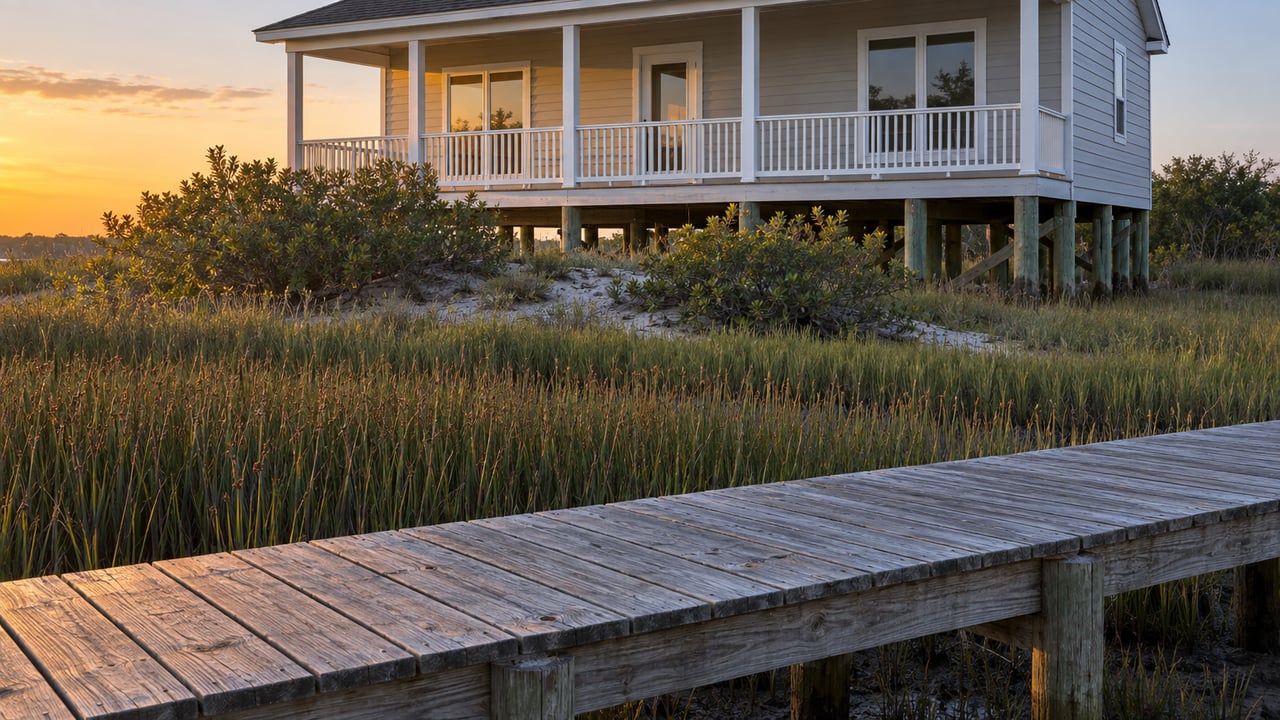
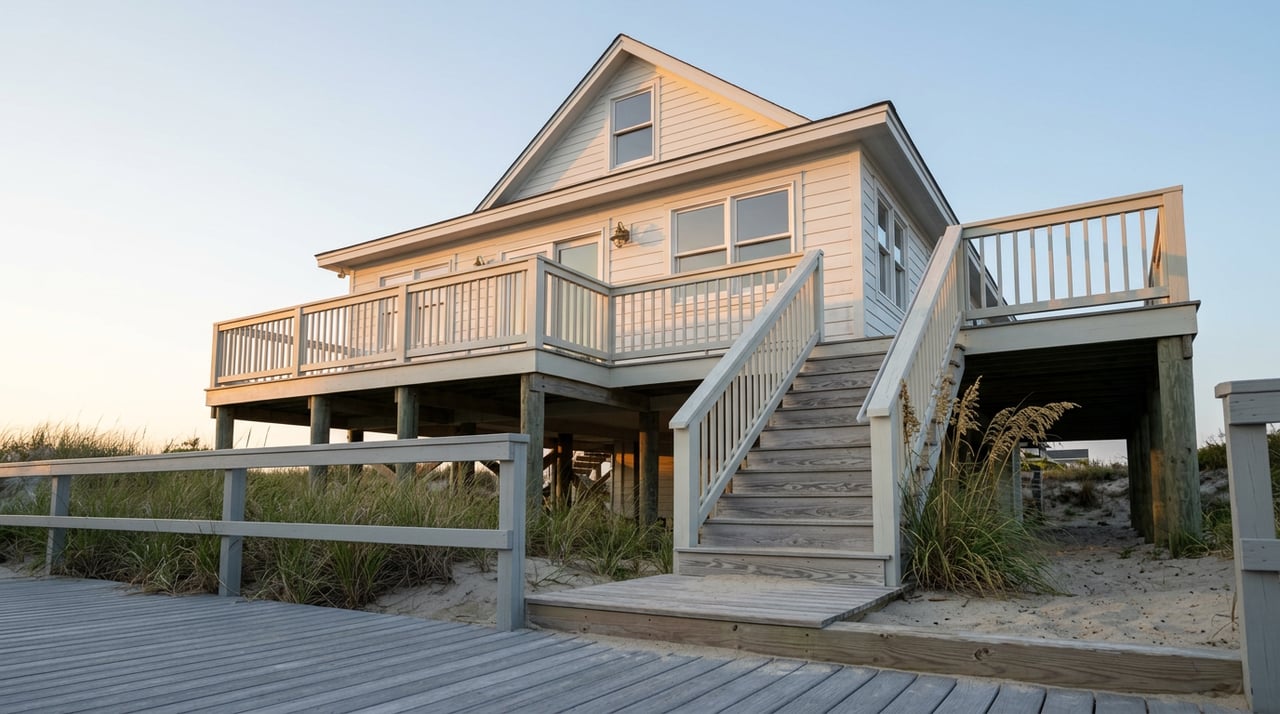
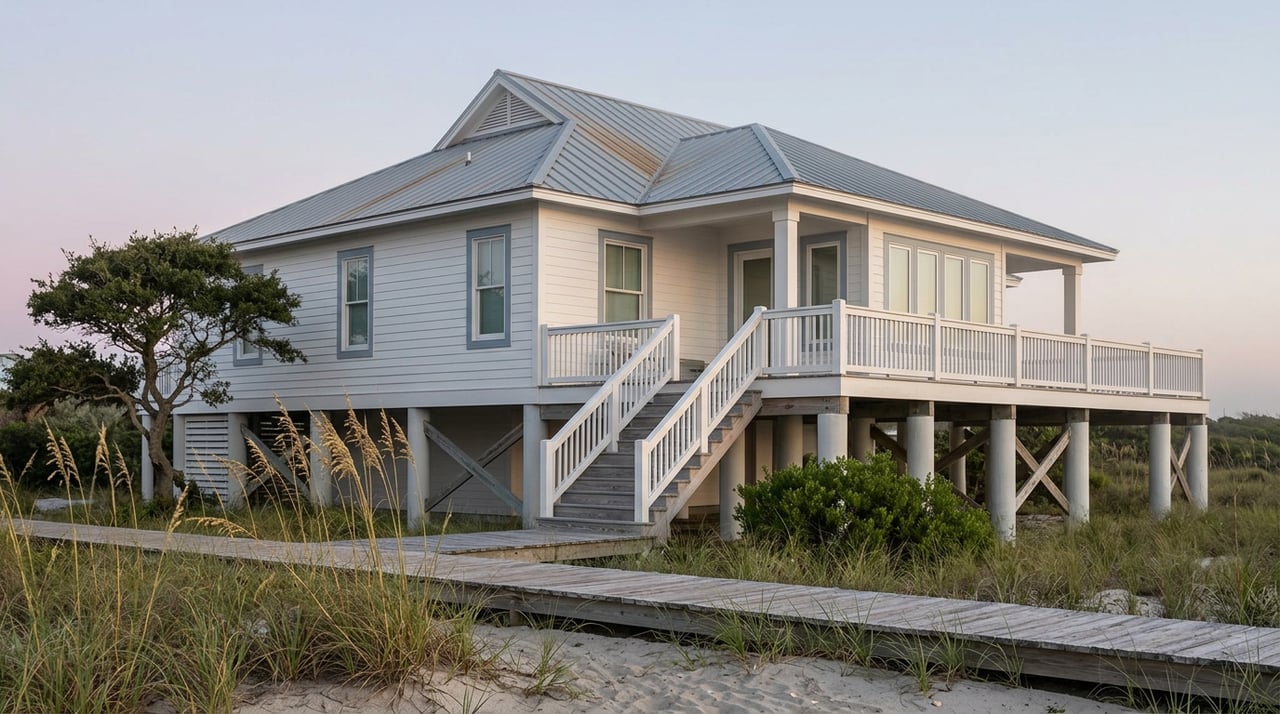
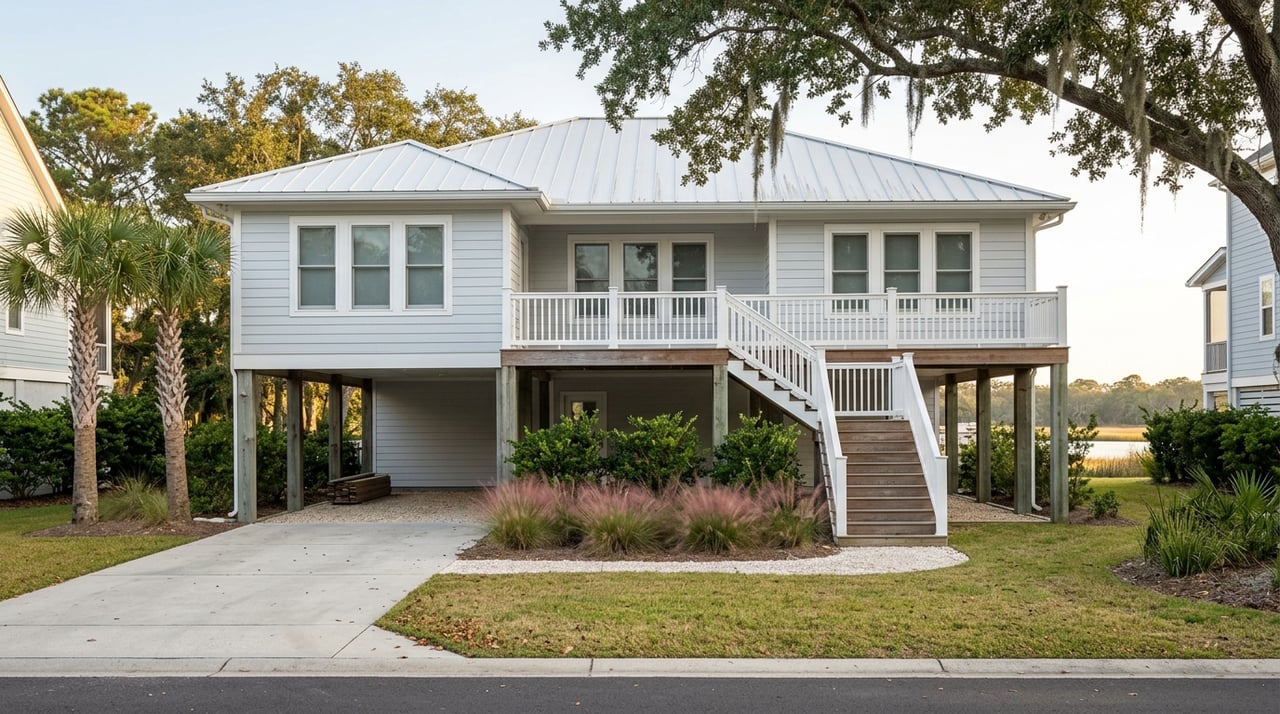
Soundside housing in Kitty Hawk tends to feel more house-scale and cottage-scale than some of the larger oceanfront homes seen elsewhere on the Outer Banks. The town’s land-use plan points to a mix that can include single-family homes, duplexes, triplexes, quads, townhomes in some locations, and reuse of existing buildings, depending on the area.
In many soundside sections, future development is expected to stay limited and generally similar to surrounding uses because Kitty Hawk is already largely built out. For you as a buyer, that can mean a more established setting rather than a neighborhood defined by constant new construction.
Lots on the soundside are often shaped by forest, marsh, creek, and canal conditions. Instead of open dune frontage, you may find wooded surroundings, water-adjacent edges, or a setting tucked into the natural landscape.
The role of Kitty Hawk Village
Kitty Hawk Village is a big part of what gives the soundside its character. Town materials note that Kitty Hawk Road includes many local-serving businesses, parks, and town services, creating an area that feels practical and lived-in.
There is also real historical depth here. The town’s historical planning notes say Kitty Hawk began as a small self-sufficient community along Kitty Hawk Bay, and many historic properties are found along Kitty Hawk Road west of the beach area.
If you value a sense of place, this is one of the strongest reasons to explore soundside neighborhoods. The setting often feels less like a resort strip and more like a coastal town with its own long-standing identity.
Everyday life near the water
One of the biggest perks of soundside living is that water access is part of daily life, not just a special outing. The town highlights Windgrass Circle Park on Kitty Hawk Bay for sunset views and calm, shallow water activities like wading, canoeing, kayaking, and paddleboarding.
For boaters and paddlers, Bob Perry Boat Ramp supports launches for kayaks, canoes, jet skis, and boats. The town also notes that canal access and private boat docks are part of the soundside landscape in some areas.
If your ideal Outer Banks routine includes a morning paddle, a short sunset stop by the bay, or an easier launch for small watercraft, the soundside can offer a very appealing lifestyle fit.
Trails, woods, and outdoor space
The soundside is not just about water access. It is also one of the best places in Kitty Hawk to enjoy the town’s maritime forest and everyday recreation.
Kitty Hawk Woods Reserve includes maritime deciduous forest, maritime swamp forest, wetlands, ridges, and swales. Public access points include Birch Lane, Amadas Lane and Colleton Avenue, and Kitty Hawk Park, with access to High Bridge Creek from Bob Perry Road.
This natural setting supports hiking, nature study, and kayaking. For many buyers, that adds another layer of value because your outdoor options go beyond the beach.
The Paul Pruitt Multi-Use Path also helps connect daily life on the soundside. It runs for 2 miles along The Woods Road to Highway 158 East and connects west on Twiford Street through Kitty Hawk Village, making it easier to move through the area for walks, rides, and casual outings.
Are you still close to the beach?
Yes, and that is one of the soundside’s biggest advantages. Living west of the main beach strip does not mean giving up easy ocean access.
The town says Kitty Hawk has many public beach accesses with parking available. That means you can enjoy a quieter home setting on the bay side while still getting to the ocean beach without much hassle.
For many second-home buyers and relocators, that combination is hard to beat. You get variety in how you use the town, depending on the day, the weather, and the season.
Shopping, dining, and errands
Most of Kitty Hawk’s commercial businesses are along US 158, with smaller-scale businesses along NC 12 and Kitty Hawk Road. The local visitor guide notes that the town includes big-box retail, surf shops, beach stores, and a wide range of restaurants.
For soundside residents, that usually means your neighborhood can feel more residential while everyday needs stay nearby. You do not have to choose between a calmer home base and practical convenience.
That mix can be especially attractive if you are relocating full-time or spending longer stretches in a second home. It supports a lifestyle that feels usable year-round, not just during vacation weeks.
What buyers should weigh carefully
Soundside living has a lot to offer, but it is smart to look at the practical side too. Kitty Hawk’s land-use plan notes that nearly all homes and businesses rely on septic systems, and that most soils are not well suited for septic or drain fields.
The same plan states that there is no public sewer planned. If you are buying a home or lot, septic capacity, site conditions, and long-term maintenance should be part of your due diligence.
The town also flags flooding, storm surge, and stormwater as ongoing concerns. As with any barrier-island purchase, it is important to understand how a specific property sits on the land and what that may mean for access, maintenance, and planning.
Another local factor is mobility during storms. Highway 158 is the main evacuation route, so it is wise to understand how that fits into your planning if you are buying a primary home, second home, or investment property.
Who the soundside fits best
Kitty Hawk soundside communities can work well for several kinds of buyers. You may be a strong fit if you want a more established neighborhood setting, enjoy calm-water recreation, or prefer a home base that feels more local than resort-driven.
This part of town can also appeal if you want access to beach days, restaurants, and retail without living directly in the busiest beach corridor. Depending on the property, it may also suit buyers looking for a cottage-scale second home, a primary residence, or a water-oriented investment opportunity.
The key is matching the location to how you actually plan to live. Some buyers want quick oceanfront access above all else, while others care just as much about trees, trails, village character, and sound access.
Why local guidance matters
Kitty Hawk’s soundside is nuanced. One street may feel wooded and tucked away, while another is closer to village services, canal access, or the main road network.
That is why local guidance matters when you start comparing homes, lots, or investment options. The details that shape daily life here are often hyperlocal, including access points, lot conditions, housing type, and how close you are to both the sound and the beach.
If you want help narrowing down the right part of Kitty Hawk for your goals, working with a broker who understands the differences between the village, woods, and beach areas can save you time and help you avoid surprises. When you are ready to explore Kitty Hawk soundside opportunities, connect with Jessica Evans for personalized guidance.
FAQs
What are Kitty Hawk soundside communities?
- Kitty Hawk soundside communities generally refer to the bay-side and interior neighborhoods west of the main beach corridor, especially around Kitty Hawk Village and Woods Road.
What is the lifestyle like in Kitty Hawk soundside areas?
- Life on Kitty Hawk’s soundside often feels quieter and more residential, with access to calm-water recreation, wooded settings, trails, parks, and nearby everyday services.
What types of homes are common in Kitty Hawk soundside neighborhoods?
- Depending on the area, you may find single-family homes, duplexes, triplexes, quads, townhomes in some locations, and older established properties that reflect the town’s long development pattern.
Is Kitty Hawk soundside far from the beach?
- No. The town notes that there are many public beach accesses with parking, so soundside residents can still reach the ocean beach with relative ease.
Where can you kayak or paddleboard in Kitty Hawk soundside areas?
- Official town and state materials highlight Windgrass Circle Park, Bob Perry Boat Ramp, High Bridge Creek access from Bob Perry Road, and other public access points tied to Kitty Hawk Woods Reserve.
What should buyers know before buying in Kitty Hawk soundside neighborhoods?
- Buyers should pay close attention to septic systems, site conditions, flooding and stormwater concerns, and how a property’s location fits their access and evacuation planning needs.